
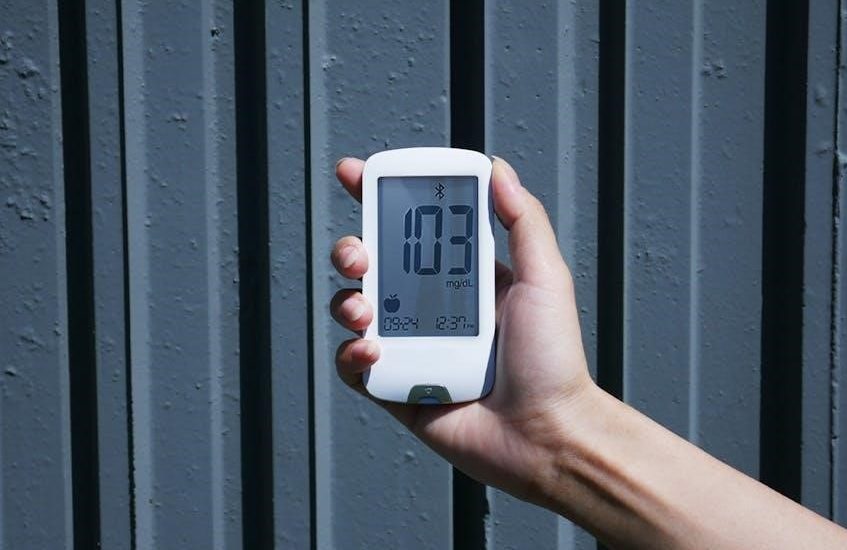
Understanding Manual Blood Pressure Cuffs
Manual blood pressure cuffs offer a reliable‚ stethoscope-based method for measuring vital signs at home or clinically․
These devices‚ featuring adjustable cuffs (22-42cm) and manometers‚ empower users to actively monitor cardiovascular health․
Regular tracking‚ shared with healthcare providers‚ facilitates informed decisions regarding wellness and treatment plans․
What is a Manual Blood Pressure Cuff?
A manual blood pressure cuff is a diagnostic tool used to measure blood pressure through auscultation – listening for Korotkoff sounds with a stethoscope․ Unlike digital models‚ it requires manual inflation and deflation‚ offering a tactile and auditory assessment․
Typically‚ these cuffs consist of an inflatable bladder encased in durable material‚ a manometer to display pressure in millimeters of mercury (mmHg)‚ and a valve controlling airflow․
Good cuffs feature adjustable sizes (like 22-42cm options) to ensure proper arm fit‚ crucial for accurate readings․ They don’t include a stethoscope‚ requiring a separate purchase for complete functionality․ This method provides a detailed and reliable measurement when used correctly․
Why Choose a Manual Cuff Over Digital?
Manual blood pressure cuffs offer advantages over digital alternatives‚ particularly regarding accuracy and reliability․ While digital cuffs are convenient‚ they can be susceptible to errors from movement or irregular heartbeats․
Manual cuffs‚ when used with a stethoscope‚ provide a more precise measurement based on auscultation‚ minimizing the impact of external factors․ Healthcare professionals often prefer manual readings for their diagnostic confidence;
Furthermore‚ manual cuffs don’t rely on batteries or complex electronics‚ ensuring functionality even without power․ They are also often more affordable‚ making them accessible for regular home monitoring and tracking of cardiovascular health․

Key Features to Look For
Essential features include cuff size (22-42cm)‚ manometer accuracy‚ and a quality valve for precise inflation and deflation‚ ensuring reliable blood pressure readings․
Cuff Size and Fit
Selecting the correct cuff size is paramount for accurate blood pressure measurement․ A cuff that’s too small will yield falsely elevated readings‚ while one that’s too large can produce artificially low results․ Most quality manual cuffs‚ like those adjustable from 22-42cm (8․7-16․5 inches)‚ accommodate a wide range of arm circumferences․
Measure your upper arm’s circumference to determine the appropriate size․ The cuff’s bladder should encircle at least 80% of your arm․ Universal cuffs offer versatility‚ but confirm compatibility with your arm size․ Proper fit ensures the manometer accurately reflects your true blood pressure‚ contributing to effective health monitoring and informed medical decisions․
Manometer Accuracy and Calibration
A reliable manometer is the heart of any accurate manual blood pressure cuff․ Look for manometers displaying clear‚ easily readable markings‚ typically in millimeters of mercury (mmHg); Precision is crucial; deviations can lead to misdiagnosis and inappropriate treatment․
Regular calibration checks are essential to maintain accuracy․ While professional calibration is recommended annually‚ simple self-checks can identify potential issues․ Ensure the needle returns to zero after deflation․ Consistent‚ accurate readings build confidence in your monitoring and facilitate effective communication with healthcare providers‚ supporting proactive health management․
Valve Quality and Control
The inflation/deflation valve is a critical component of a manual blood pressure cuff‚ directly impacting measurement accuracy and user control․ A high-quality valve provides smooth‚ precise airflow regulation․ Avoid valves that feel flimsy or exhibit inconsistent resistance․
Look for a valve allowing gradual‚ controlled deflation – approximately 3 mmHg per second is ideal․ This controlled release enables accurate auscultation of Korotkoff sounds․ A responsive valve minimizes user fatigue and ensures reliable readings․ Proper valve function is paramount for consistent‚ dependable blood pressure monitoring‚ contributing to effective healthcare management․
Top Manual Blood Pressure Cuff Models (Based on Current Reviews ⏤ 12/19/2025)
Leading models‚ like Omron‚ Welch Allyn‚ and Ames Walker‚ consistently receive positive feedback for accuracy‚ durability‚ and ease of use in blood pressure monitoring․
Omron SPR-1000
The Omron SPR-1000 represents a dependable choice for manual blood pressure measurement‚ favored by both professionals and home users․ This model features a robust cuff designed for comfortable and accurate readings on a wide range of arm sizes‚ typically accommodating 22-42cm․
Users appreciate its clear‚ easy-to-read manometer‚ facilitating precise systolic and diastolic pressure determination․ The SPR-1000’s valve offers smooth and controlled inflation/deflation‚ crucial for accurate auscultation․
While a stethoscope is a separate purchase‚ the cuff’s quality ensures optimal sound transmission․ Reviews consistently highlight its reliability and longevity‚ making it a worthwhile investment for consistent blood pressure monitoring․ It’s a solid‚ no-frills option prioritizing core functionality․
Welch Allyn 5000 Series
The Welch Allyn 5000 Series is a professional-grade manual blood pressure cuff system renowned for its durability and precision․ Frequently found in clinical settings‚ it offers exceptional reliability for healthcare providers․ The cuff itself is designed for repeated use and features high-quality materials ensuring longevity․
Its manometer provides exceptionally clear readings‚ minimizing the risk of interpretation errors․ The valve system delivers precise inflation and deflation control‚ vital for accurate auscultatory measurements․
Though requiring a separate stethoscope‚ the system’s overall construction promotes optimal sound transmission․ The 5000 Series is a premium investment‚ favored for its consistent performance and robust build quality‚ making it a trusted standard in medical environments․
Ames Walker Professional Blood Pressure Kit
The Ames Walker Professional Blood Pressure Kit presents a comprehensive solution for accurate blood pressure measurement‚ often favored by medical professionals and serious home users․ This kit typically includes a high-quality cuff‚ a reliable manometer‚ and a premium stethoscope – offering a complete package․
Ames Walker prioritizes accuracy‚ utilizing durable materials and precise calibration in their instruments․ The cuff is designed for a comfortable and secure fit‚ accommodating a range of arm sizes․
The included stethoscope enhances auscultatory clarity‚ aiding in precise systolic and diastolic pressure determination․ This kit represents a significant investment‚ delivering professional-grade performance and long-term reliability for consistent monitoring․
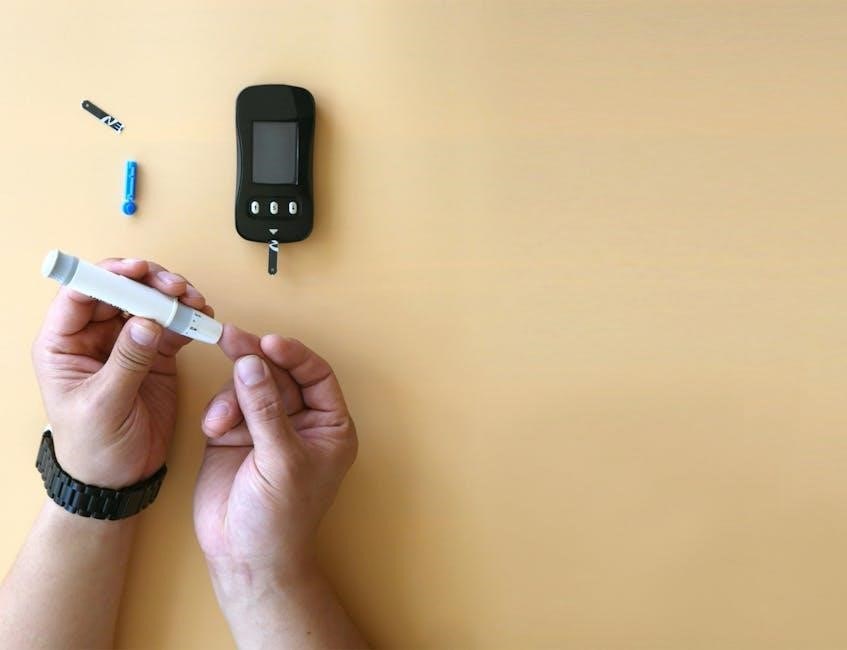
Using a Manual Blood Pressure Cuff: A Step-by-Step Guide
Proper technique is vital for accurate readings․ Ensure correct arm positioning‚ secure cuff placement (22-42cm)‚ and controlled inflation/deflation while auscultating with a stethoscope․
Proper Arm Positioning
Achieving accurate blood pressure readings begins with correct arm positioning․ The patient should be seated comfortably with their back supported‚ and feet flat on the floor – avoiding crossed legs․
The upper arm must be bare‚ not constricted by clothing‚ and supported at heart level․
Ensure the arm is relaxed and the palm is facing upwards․
Proper cuff size (adjustable 22-42cm) is crucial; a poorly fitted cuff will yield inaccurate results․
Positioning the arm correctly minimizes extraneous variables‚ allowing for a reliable measurement of cardiovascular function‚ essential for effective monitoring and healthcare provider communication․
Inflation and Deflation Technique
Mastering the inflation and deflation technique is vital for accurate manual blood pressure measurement․ Close the valve on the cuff tightly‚ then inflate the cuff rapidly until the manometer reads approximately 30 mmHg above the patient’s estimated systolic pressure․
Slowly release the valve‚ allowing the pressure to decrease at a rate of 2-3 mmHg per second․
Carefully listen with a stethoscope placed over the brachial artery for Korotkoff sounds․
Note the reading when the first sound appears (systolic) and when the sounds disappear (diastolic)․
Consistent technique ensures reliable data for tracking and sharing with healthcare professionals․
Reading the Systolic and Diastolic Pressure
Accurately interpreting systolic and diastolic pressures is crucial․ Systolic pressure‚ the top number‚ reflects the force when the heart beats․ Diastolic‚ the bottom number‚ indicates pressure when the heart rests between beats․
During deflation‚ the first clear tapping sound marks the systolic reading․ Continue listening; when sounds fade completely‚ that’s the diastolic pressure․
Record both numbers in millimeters of mercury (mmHg)․
Consistent readings‚ tracked over time‚ provide valuable insights into cardiovascular health․
Share these measurements with your doctor for informed medical guidance and potential treatment adjustments․
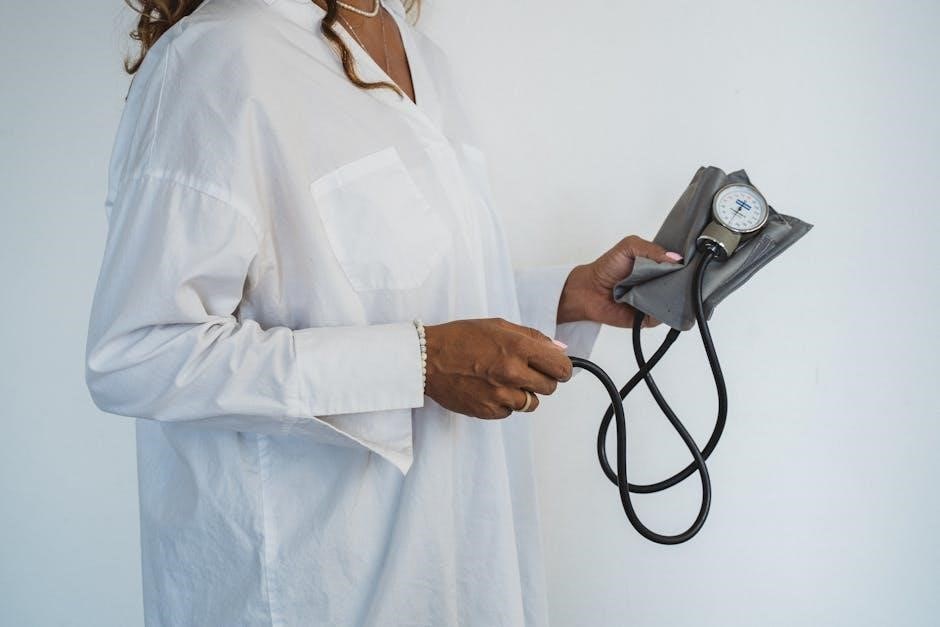
Maintaining Your Manual Blood Pressure Cuff
Regular cuff cleaning and storage are vital for longevity․ Inspect the cuff for cracks‚ and ensure the manometer remains calibrated for accurate‚ reliable readings․
Cuff Cleaning and Storage
Maintaining cuff hygiene extends the lifespan and accuracy of your manual blood pressure monitor․ Gently wipe the cuff with a damp cloth and mild soap after each use‚ avoiding harsh chemicals or abrasive cleaners․
Ensure the cuff is completely dry before storing it in a cool‚ dry place‚ away from direct sunlight and extreme temperatures․
Avoid tightly folding or bending the cuff‚ as this can damage the internal bladder․
Proper storage prevents dust accumulation and material degradation‚ ensuring consistent performance․
Regularly inspect the cuff for signs of wear and tear‚ such as cracks or leaks‚ and replace it if necessary to maintain reliable blood pressure measurements․
Manometer Calibration Checks

Ensuring manometer accuracy is crucial for reliable blood pressure readings․ While home calibration isn’t typically feasible‚ periodic checks against a calibrated device at a healthcare professional’s office are recommended․
Look for subtle signs of inaccuracy‚ such as the needle consistently resting at zero when no pressure is applied‚ or difficulty achieving a clear zero point․
Professional calibration services are available for higher-end models‚ guaranteeing precision․
Consistent calibration minimizes errors and provides confidence in your measurements‚ supporting informed health management․
Regular verification‚ alongside proper cuff maintenance‚ contributes to the longevity and trustworthiness of your manual blood pressure cuff․
Troubleshooting Common Issues
Difficulty inflating the cuff often stems from a valve leak; inspect for damage and ensure a tight seal․ If the needle fluctuates erratically‚ check for air bubbles within the manometer fluid or a loose connection․
Inconsistent readings may indicate improper cuff placement or technique – review the step-by-step guide․
A cuff that’s too small or large will yield inaccurate results; verify correct sizing․
If issues persist‚ consult the manufacturer’s instructions or seek assistance from a healthcare professional․
Addressing these common problems ensures reliable performance and accurate blood pressure monitoring․

Accuracy and Reliability Considerations
Potential errors arise from technique‚ cuff fit‚ or manometer calibration․ Comparing readings with a healthcare provider validates accuracy and ensures reliable cardiovascular health insights․
Potential Sources of Error
Several factors can compromise the accuracy of manual blood pressure readings․ Improper arm positioning – too high or low – significantly impacts results․ Cuff size is critical; an ill-fitting cuff‚ whether too small or large‚ introduces error․ Deflation rate‚ if too slow or fast‚ affects auscultation and reading precision․
Observer error‚ including incorrect stethoscope placement or biased listening‚ contributes to inaccuracies․ Manometer calibration drifts over time‚ necessitating periodic checks․ Patient anxiety or movement during measurement can also elevate readings․ Finally‚ white coat hypertension – elevated pressure due to a clinical setting – must be considered when interpreting results․
Addressing these potential pitfalls is crucial for reliable blood pressure monitoring․
Comparing Readings with a Healthcare Professional
Regularly comparing home readings from your manual cuff with those taken by a healthcare professional is vital for validating accuracy․ Discrepancies may indicate technique flaws‚ cuff issues‚ or underlying medical conditions․ Share your log of home measurements during appointments‚ noting the time and circumstances of each reading․
A healthcare provider can assess your technique‚ calibrate your cuff if needed‚ and rule out potential sources of error․ Don’t self-diagnose or adjust medications based solely on home readings․ Professional confirmation ensures reliable data for informed clinical decisions․ Consistent monitoring‚ coupled with expert evaluation‚ optimizes cardiovascular health management․
This collaborative approach is key․

The Importance of Regular Blood Pressure Monitoring
Consistent monitoring with a reliable manual cuff empowers proactive health management․ Tracking trends helps identify risks and informs timely interventions for optimal cardiovascular well-being․
Understanding Blood Pressure Ranges
Accurate readings‚ obtained with a quality manual cuff‚ are crucial for interpreting blood pressure ranges․ Generally‚ a normal reading falls below 120/80 mmHg․ Elevated readings‚ between 120-129 systolic and less than 80 diastolic‚ indicate prehypertension‚ warranting lifestyle adjustments․
Hypertension‚ categorized as Stage 1 (130-139/80-89 mmHg) or Stage 2 (140+/90+ mmHg)‚ requires medical attention․ Hypotension‚ below 90/60 mmHg‚ can signal underlying issues․
Regular monitoring with a dependable cuff‚ like those with adjustable sizes (22-42cm)‚ allows for consistent data‚ aiding in early detection and effective management of blood pressure fluctuations․ Sharing these readings with a healthcare provider is vital․
When to Seek Medical Attention
Consistent high readings‚ even with a reliable manual cuff‚ necessitate a doctor’s visit․ Readings exceeding 140/90 mmHg consistently‚ or sudden spikes‚ demand prompt evaluation․ Similarly‚ unusually low readings‚ below 90/60 mmHg‚ accompanied by dizziness or fainting‚ require immediate attention․
If you experience severe headaches‚ chest pain‚ vision changes‚ or difficulty breathing alongside elevated blood pressure‚ seek emergency medical care․
A quality cuff (adjustable 22-42cm) provides valuable data‚ but it’s not a substitute for professional diagnosis․ Regular check-ups and open communication with your healthcare provider are essential for optimal cardiovascular health․