
Manual Soap Dispensers: A Comprehensive Guide
Manual soap dispensers enhance hygiene, offering a cost-effective solution for dispensing liquid or foam soap via hand operation—promoting cleanliness effectively.
Manual soap dispensers represent a fundamental aspect of hygiene in both residential and commercial settings. These devices deliver controlled portions of liquid or foam soap with a simple hand-operated mechanism, eliminating the need for electricity.
Their primary function is to promote hand hygiene, reducing the spread of germs and bacteria. Unlike automatic dispensers, manual options offer reliability and cost-effectiveness, making them a practical choice for various applications. They are widely utilized in restrooms, kitchens, healthcare facilities, and educational institutions, contributing to a cleaner and healthier environment.
History and Evolution of Soap Dispensing
Historically, soap was dispensed using communal bars, posing hygiene concerns due to shared contact. Early advancements involved simple containers with pour spouts, but portion control remained an issue. The late 19th and early 20th centuries saw the emergence of basic mechanical dispensers, often utilizing levers or plungers for operation.
These early manual soap dispensers gradually evolved, incorporating improved pump mechanisms and more hygienic designs. The focus shifted towards reducing cross-contamination and minimizing soap waste. Modern iterations prioritize user-friendliness, durability, and aesthetic appeal, building upon decades of refinement in soap dispensing technology.
Types of Manual Soap Dispensers
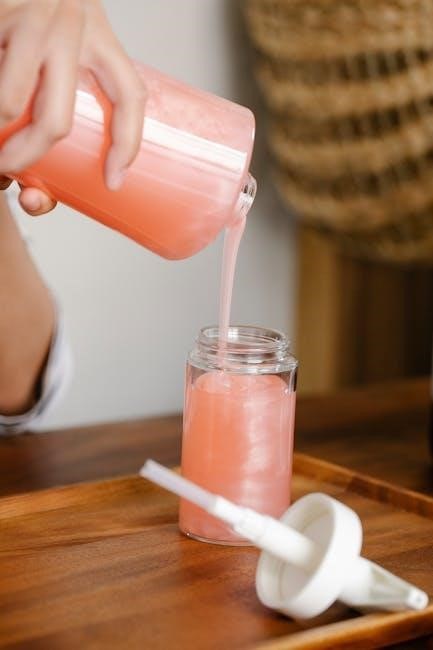
Manual soap dispensers come in diverse forms, including pump-action, foam, and liquid varieties, alongside wall-mounted and countertop options for varied applications.
Pump-Action Soap Dispensers
Pump-action soap dispensers represent a classic and widely utilized design. These dispensers function through a manually operated pump mechanism, delivering a measured dose of liquid soap with each press.
They are known for their reliability and straightforward operation, requiring no external power source. Commonly constructed from plastic, though stainless steel options exist, pump dispensers are versatile for both residential and commercial settings.
Their simplicity contributes to ease of refilling and maintenance, making them a practical choice for consistent hand hygiene. The dispensing volume can vary based on pump design.
Foam Soap Dispensers
Foam soap dispensers utilize a unique mechanism to mix soap with air, creating a light and airy foam. This process reduces soap consumption compared to liquid dispensers, offering cost savings and minimizing waste.
Manual foam dispensers require pumping action to generate the foam, eliminating the need for batteries or electricity; They often employ a specialized pump and mixing chamber to achieve the desired consistency.
The resulting foam is perceived as richer and more luxurious, encouraging frequent hand washing. These are popular in environments prioritizing hygiene and resource conservation.
Liquid Soap Dispensers
Liquid soap dispensers represent a classic and widely used method for manual soap dispensing. These dispensers typically feature a pump mechanism that draws liquid soap from a reservoir with each press.
They are compatible with a broad range of liquid soap formulations, offering versatility in product choice. The simplicity of their design contributes to their durability and ease of maintenance.
Manual operation ensures reliability, independent of power sources. Often constructed from plastic, stainless steel, or ceramic, they cater to diverse aesthetic preferences and hygiene requirements for frequent hand washing.
Wall-Mounted vs. Countertop Dispensers
Manual soap dispensers come in two primary forms: wall-mounted and countertop models. Wall-mounted dispensers offer space-saving benefits, ideal for high-traffic areas like restrooms, and reduce clutter.
Installation requires secure mounting, ensuring stability and preventing accidental displacement. Countertop dispensers provide portability and easy relocation, suitable for kitchens or smaller spaces.
They require sufficient counter space and may need refilling more frequently due to smaller capacities. The choice depends on space constraints, usage frequency, and desired convenience for optimal hand hygiene.
Components of a Manual Soap Dispenser
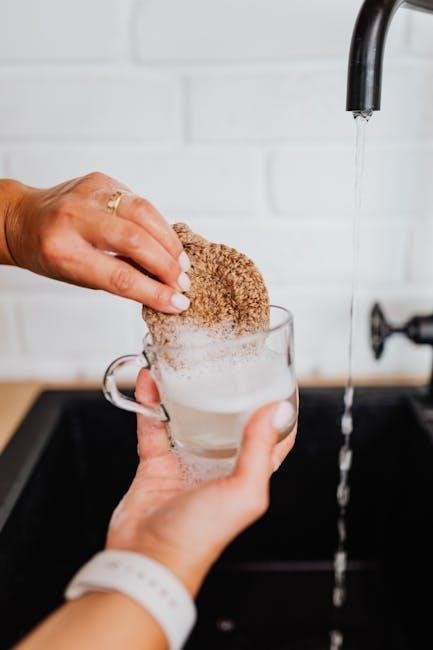
Manual soap dispensers consist of a pump mechanism, soap reservoir, nozzle, and outer casing—all working together to deliver controlled soap portions for effective hand washing.
The Pump Mechanism
The pump mechanism is the heart of a manual soap dispenser, responsible for drawing soap from the reservoir and dispensing it. Typically, it involves a piston within a cylinder; depressing the pump head forces the piston to move, creating suction that pulls soap upwards.
A valve system ensures one-way flow, preventing backflow into the reservoir. The quality of materials—often plastic or stainless steel—impacts durability and resistance to corrosion. Efficient pump design minimizes wasted soap and ensures consistent dispensing with each hand press.
Variations exist, influencing dispensing volume and effort required.
Soap Reservoir and Capacity
Soap reservoirs within manual dispensers vary significantly in capacity, ranging from small, portable sizes to larger, refillable containers. These reservoirs are typically constructed from plastic, though stainless steel options exist for enhanced durability and hygiene.
Capacity directly impacts refill frequency; commercial settings often require larger reservoirs to minimize maintenance. The design aims to prevent contamination and facilitate easy refilling. Opaque reservoirs help protect soap from light degradation, preserving its quality;
Consideration of reservoir size is crucial for matching usage needs and minimizing waste.
Nozzle and Dispensing Head
The nozzle and dispensing head are critical components, controlling soap flow and preventing drips. Materials range from plastic to stainless steel, impacting durability and hygiene. Designs vary, influencing dispensing volume and spray pattern – some offer adjustable settings.
Effective nozzles minimize waste and ensure consistent soap delivery with each pump. Anti-clogging features are common, preventing blockages from soap buildup. The dispensing head often incorporates a protective cap to maintain cleanliness when not in use.
Quality construction ensures long-term reliability and a sanitary experience.
Outer Casing and Materials
The outer casing protects internal mechanisms and contributes to the dispenser’s aesthetic. Common materials include plastic, offering affordability and versatility, stainless steel for durability and a modern look, and occasionally ceramic for a decorative touch;
Material choice impacts resistance to corrosion, impacts, and cleaning agents. Plastic casings come in various colors and finishes. Stainless steel provides a hygienic, long-lasting option, ideal for high-traffic areas.
The casing’s design influences ease of refilling and overall stability.
Installation and Maintenance
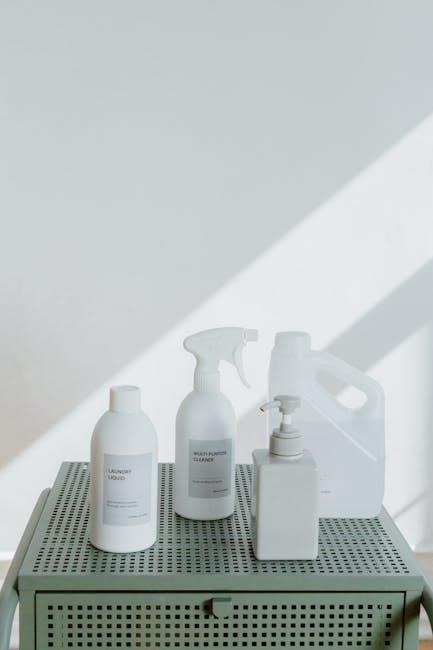
Proper installation and regular cleaning are crucial for optimal function. Refilling should follow manufacturer guidelines, while troubleshooting addresses common issues quickly.
Proper Installation Techniques
Successful installation of a manual soap dispenser begins with selecting an appropriate location – easily accessible and near a sink. Wall-mounted dispensers require secure anchoring using screws appropriate for the wall material, ensuring stability and preventing falls.
Countertop models simply require a level surface. Before filling, verify the dispenser is firmly in place. Follow manufacturer instructions regarding any specific mounting hardware or procedures. Ensure the dispensing nozzle is unobstructed and positioned for convenient use. A properly installed dispenser contributes significantly to hygiene and ease of use.
Refilling Procedures
Refilling a manual soap dispenser is straightforward, but crucial for maintaining hygiene. Begin by unscrewing or unlocking the dispenser’s top or designated refill point. Carefully pour the desired liquid or foam soap into the reservoir, avoiding overfilling to prevent leaks.
Use a funnel to minimize spills. Once filled, securely reattach the top, ensuring a tight seal. Avoid mixing different soap types within the same dispenser. Regularly check the soap level and refill as needed to ensure consistent availability and promote continuous hand hygiene practices.
Cleaning and Sanitization
Regular cleaning and sanitization of manual soap dispensers are vital for preventing bacterial growth. Disconnect or remove the soap reservoir. Wash the reservoir, pump, and nozzle with warm, soapy water. For thorough sanitization, use a diluted bleach solution (1 tablespoon bleach per gallon of water), rinsing completely afterward.
Wipe down the exterior casing with a disinfectant wipe. Ensure all components are fully dry before reassembling and refilling. Periodic deep cleaning—at least monthly—helps maintain optimal hygiene and dispenser functionality, contributing to a healthier environment.
Troubleshooting Common Issues
Clogging is a frequent issue; disassemble the pump and rinse components with warm water to remove soap buildup. If the dispenser won’t prime, repeatedly press the pump until soap flows. Leaks often stem from a loose connection between the pump and reservoir – tighten securely.
For stubborn clogs, a small brush or toothpick can help. If the pump feels stiff, lubrication with food-grade silicone may be necessary. Regularly inspect for cracks or damage to the casing. Addressing these issues promptly ensures continued, reliable operation.
Benefits of Using Manual Soap Dispensers
Manual dispensers offer cost savings, reduce waste, and promote better hygiene through controlled dispensing, making them an environmentally conscious choice for any setting.
Cost-Effectiveness
Manual soap dispensers represent a significantly economical choice compared to automated systems. The initial investment is lower, and they eliminate the need for batteries or electrical connections, reducing long-term operational costs.
Furthermore, the controlled dispensing action minimizes soap wastage, a common issue with free-flowing soap bars or overly generous automatic systems. This efficient usage translates directly into savings on soap refills over time.
For businesses and households alike, the simplicity and affordability of manual dispensers make them a practical and budget-friendly hygiene solution.
Reduced Soap Waste
Manual soap dispensers excel at minimizing soap wastage, a key benefit over traditional bar soaps and even some automatic systems. The pump-action mechanism delivers a pre-determined amount of soap with each press, preventing excessive use and drips.
Unlike bar soaps which often leave residue and are partially unused, or automatic dispensers prone to over-dispensing, manual options offer greater control. This controlled dispensing directly translates to fewer refills needed, contributing to both cost savings and environmental responsibility.
Ultimately, less waste means a more sustainable and efficient hygiene practice.
Improved Hygiene
Manual soap dispensers significantly contribute to improved hygiene practices by minimizing cross-contamination. Unlike shared bar soaps, which can harbor bacteria, each user interacts only with their dispensed portion of soap.
The pump action prevents direct contact with the remaining soap supply, reducing the spread of germs. Promoting maximum hand hygiene, these dispensers are ideal for public restrooms, kitchens, and healthcare settings.
Consistent and controlled soap application encourages thorough handwashing, a crucial step in preventing the transmission of illness and maintaining overall health.
Environmental Considerations
Manual soap dispensers offer several environmental benefits compared to automated or bar soap options. They reduce soap waste by dispensing controlled amounts, minimizing overuse. This controlled dispensing contributes to lower consumption of soap refills over time.
Many dispensers are constructed from recyclable plastics, lessening their environmental impact. Choosing durable, long-lasting models further reduces the need for frequent replacements.
By promoting efficient soap usage and potentially utilizing recycled materials, manual dispensers support sustainable practices and minimize ecological footprints.
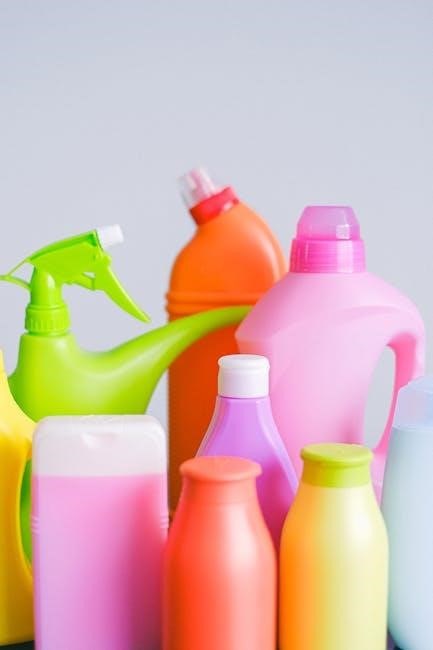
Materials Used in Manual Soap Dispensers
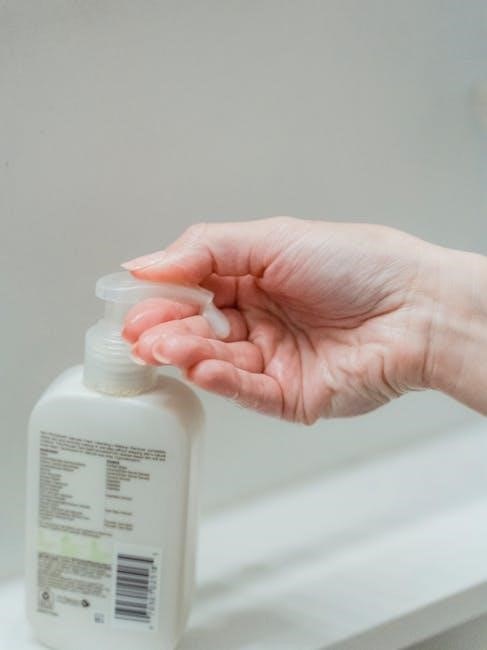
Manual soap dispensers commonly utilize plastic, stainless steel, or ceramic materials for their construction, balancing durability, aesthetics, and cost-effectiveness in design.
Plastic Soap Dispensers
Plastic soap dispensers represent a widely utilized option due to their affordability and versatility. Commonly constructed from polyethylene (PE) or polypropylene (PP), these dispensers offer resistance to corrosion and impacts.
They are lightweight, making installation straightforward, and available in a vast array of colors and designs to suit diverse aesthetic preferences. While generally durable, plastic can be susceptible to cracking or discoloration over extended periods, particularly with exposure to sunlight.
Recycled plastic options are increasingly available, contributing to more sustainable choices. Their lower cost makes them ideal for high-traffic areas and bulk purchases.
Stainless Steel Soap Dispensers
Stainless steel soap dispensers offer a premium aesthetic and exceptional durability. Constructed from alloys like 304-grade stainless steel, they resist corrosion, rust, and fingerprints, maintaining a polished appearance even with frequent use.
These dispensers are heavier and more robust than plastic alternatives, making them suitable for demanding commercial environments. While typically more expensive upfront, their longevity and resistance to damage contribute to long-term cost savings.
Stainless steel complements various décor styles and provides a hygienic, professional look, often found in upscale restrooms and kitchens.
Ceramic Soap Dispensers
Ceramic soap dispensers bring a touch of elegance and artistry to any space. Often handcrafted, they showcase diverse designs, colors, and finishes, seamlessly blending functionality with decorative appeal.
While visually appealing, ceramic requires careful handling due to its fragility. These dispensers are best suited for lower-traffic areas like residential bathrooms or powder rooms where accidental breakage is less likely.
The material is non-porous when glazed correctly, contributing to hygiene, but requires regular cleaning to maintain its pristine look. Ceramic offers a unique aesthetic alternative to metal or plastic options.
Choosing the Right Manual Soap Dispenser
Selecting a dispenser depends on usage—commercial settings need durable, high-capacity units, while homes prioritize aesthetics and convenient refill options for optimal hand hygiene.
Considerations for Commercial Use
For businesses, durability is paramount. Manual soap dispensers must withstand frequent use and potential vandalism, favoring stainless steel or robust plastic construction. High capacity is crucial to minimize refills, reducing maintenance time and costs.
Wall-mounted options are preferred to save counter space and prevent tampering. Consider models designed for high traffic areas, ensuring reliable dispensing with each hand pump. Bulk purchasing of soap refills, alongside dispenser compatibility, further streamlines operations. Prioritize dispensers promoting maximum hand hygiene.
Considerations for Residential Use
Homeowners often prioritize aesthetics alongside functionality. Manual soap dispensers in residential settings can complement bathroom or kitchen décor, with ceramic or stylish plastic options available. Countertop models are popular for their portability and ease of placement.
Capacity needs are generally lower than commercial spaces, allowing for smaller, more decorative dispensers. Ease of refilling is a key consideration, alongside leak prevention features. Choosing a dispenser that fits hand size and dispensing volume ensures comfortable and efficient use for all family members, promoting good hygiene.
Factors Influencing Capacity Needs
Capacity requirements for manual soap dispensers vary greatly. High-traffic areas, like commercial kitchens or public restrooms, demand larger reservoirs to minimize frequent refills. Conversely, low-usage spaces, such as a residential powder room, can function perfectly well with smaller capacity units.
The type of soap also matters; foam soap generally requires less volume per dispense than liquid soap. Consider the number of users and their typical hand-washing frequency. Adjustable dispensing volume features can help tailor soap usage and optimize capacity, reducing waste and maintenance efforts.
Advanced Features and Innovations
Innovations in manual soap dispensers include drip trays preventing messes, adjustable volume controls for customized dispensing, and diverse aesthetic designs for varied settings.
Drip Trays and Leak Prevention
Drip trays are a significant advancement in manual soap dispenser design, effectively capturing residual soap after dispensing, minimizing messy countertops and floor surfaces. These trays contribute to a cleaner, more hygienic environment, particularly in high-traffic areas like restrooms and kitchens.
Beyond drip trays, manufacturers are incorporating improved sealing mechanisms within the pump and nozzle assemblies to prevent leaks. High-quality materials and precise engineering reduce the likelihood of soap escaping during use or while the dispenser is idle. This focus on leak prevention extends the lifespan of the dispenser and reduces waste.
Adjustable Dispensing Volume
Adjustable dispensing volume features in manual soap dispensers offer users control over the amount of soap released with each pump. This functionality is increasingly common, catering to diverse preferences and minimizing soap waste. Some models allow for incremental adjustments, while others offer pre-set volume options.
This customization is particularly beneficial in commercial settings where controlling soap consumption is crucial for cost management. It also accommodates different hand sizes and cleaning needs, ensuring efficient and hygienic handwashing. The ability to tailor dispensing volume enhances user satisfaction and promotes responsible soap usage.
Aesthetic Design Variations
Manual soap dispensers are no longer limited to purely functional designs; aesthetic design variations are now a significant market trend. Manufacturers offer a wide array of styles, from sleek, minimalist models to more ornate and traditional options. Materials like stainless steel, ceramic, and various plastics contribute to diverse looks.
Color choices are also expanding, allowing dispensers to seamlessly integrate into different bathroom or kitchen decors. These variations cater to both residential and commercial needs, enhancing the overall ambiance. Designers prioritize both form and function, creating dispensers that are visually appealing and practical.