

Greater Trochanteric Pain Syndrome Exercises: A Comprehensive Guide
Navigating greater trochanteric pain syndrome (GTPS) requires a tailored exercise approach, encompassing isometric, isotonic, and motor control training for optimal rehabilitation outcomes.
Effective protocols integrate warm-up routines, targeted stretching, and progressive strengthening—specifically hip abductor and gluteal exercises—to address neuromuscular deficiencies.
Considerations include periodization, pain management, gravity-eliminated positions, resistance band utilization, and consistent home program adherence for sustained improvement.
Understanding Greater Trochanteric Pain Syndrome (GTPS)
Greater Trochanteric Pain Syndrome (GTPS), formerly known as trochanteric bursitis, is a common cause of lateral hip pain. It doesn’t typically involve inflammation of the trochanteric bursa, but rather, originates from gluteal tendon pathology – specifically, degeneration of the gluteus medius and minimus tendons. This condition affects individuals of all activity levels, though it’s more prevalent in middle-aged women.
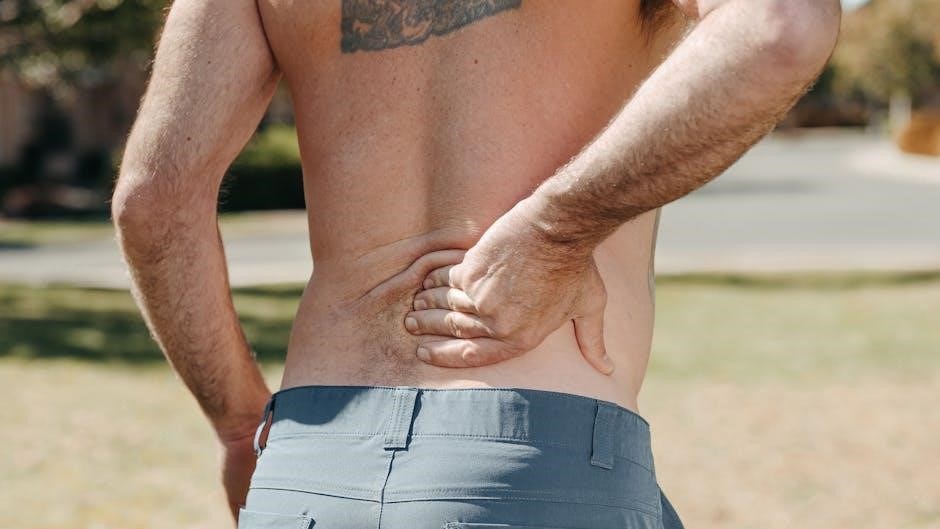
The pain is usually experienced on the outside of the hip, potentially radiating down the thigh. Activities like walking, climbing stairs, or prolonged standing can exacerbate symptoms. GTPS arises from a complex interplay of factors, including biomechanical issues, muscle imbalances, and potentially, altered neuromuscular control. Understanding these underlying mechanisms is crucial for developing effective exercise-based interventions.
Effective management focuses on restoring proper movement patterns, strengthening the hip abductors and gluteal muscles, and addressing any contributing neuromuscular deficiencies. A comprehensive approach, incorporating targeted exercises, is essential for long-term pain relief and functional restoration.
Causes and Risk Factors of GTPS
Several factors contribute to the development of Greater Trochanteric Pain Syndrome (GTPS). While a specific injury isn’t always identifiable, repetitive stress and overuse are common culprits. Weakness in the hip abductor muscles – gluteus medius and minimus – leads to altered biomechanics, increasing stress on the tendons.
Anatomical variations, such as differences in pelvic or femoral alignment, can also predispose individuals to GTPS. Poor neuromuscular control, resulting in abnormal lower limb movement patterns, further exacerbates the condition. Individuals with a history of running, cycling, or other high-impact activities are at increased risk.
Other risk factors include inadequate warm-up before exercise, improper training techniques, and muscle imbalances. Furthermore, conditions like leg length discrepancies or spinal alignment issues can contribute to the development of GTPS. Addressing these underlying factors is vital for successful rehabilitation and prevention of recurrence.
Diagnosis of GTPS: Clinical Evaluation
Diagnosing Greater Trochanteric Pain Syndrome (GTPS) primarily relies on a thorough clinical evaluation, as imaging findings often don’t correlate with symptoms. A detailed patient history is crucial, focusing on pain location, onset, aggravating and relieving factors, and activity levels.
Physical examination involves palpation over the greater trochanter to identify tenderness. Specific orthopedic tests, such as the Ober’s test and Trendelenburg sign, assess hip abductor strength and flexibility. These tests help determine the presence of muscle weakness or tightness contributing to the pain.
Pain provocation tests, like single-leg stance and resisted hip abduction, can reproduce the patient’s symptoms. Ruling out other potential diagnoses, such as hip osteoarthritis or bursitis, is essential. GTPS is largely a clinical diagnosis, guided by the patient’s presentation and response to examination findings.
Exercise-Based Treatment Approaches
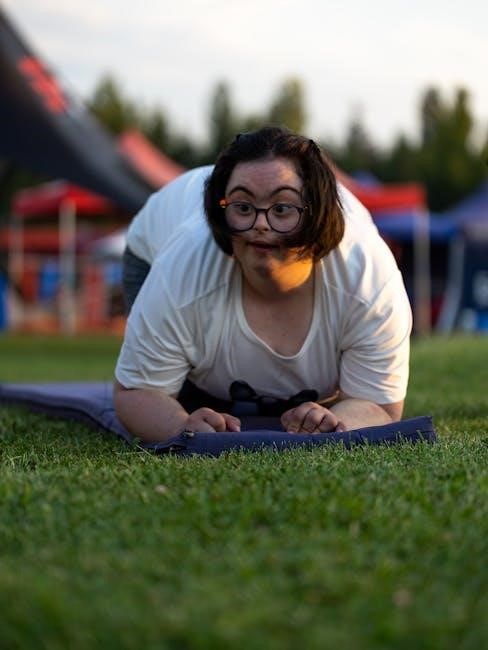
Rehabilitation centers on progressive exercises—isometric, isotonic, and motor control—to restore function, address neuromuscular deficits, and alleviate pain in GTPS patients.

Isometric Exercises for GTPS
Isometric exercises are foundational in GTPS rehabilitation, focusing on muscle activation without joint movement. These exercises are particularly valuable in the early stages, minimizing pain aggravation while initiating muscle engagement.
Two primary variations exist: short and long lever arm isometric exercises. Short lever arm exercises, often performed in a gravity-eliminated position (lying down), reduce the mechanical load on the greater trochanter. A towel roll can prevent unwanted hip abduction during execution.
Conversely, long lever arm isometric exercises increase the challenge, utilizing gravity and potentially a heel-against-wall position to control compensation. A 12-week progressive home-based isometric exercise program has demonstrated efficacy in managing GTPS symptoms.
Consistent application of these isometric contractions strengthens hip abductors and surrounding musculature, contributing to improved stability and pain reduction.
Short Lever Arm Isometric Exercises
Short lever arm isometric exercises for Greater Trochanteric Pain Syndrome (GTPS) prioritize minimizing stress on the affected area. These are typically performed in a supine (lying down) or side-lying position, effectively eliminating gravity’s influence and reducing the mechanical demand on the greater trochanter.
The exercise involves contracting the hip abductor muscles (gluteus medius and minimus) without any actual movement at the hip joint. A key technique is utilizing a towel roll placed between the knees to prevent compensatory hip abduction during the contraction.
Patients are instructed to maintain the contraction for a specified duration, typically 5-10 seconds, repeated several times. This approach focuses on activating the muscles in a controlled manner, building strength and endurance without exacerbating pain.
These exercises are ideal for the initial phase of rehabilitation, establishing a foundation for more progressive movements.
Long Lever Arm Isometric Exercises
Long lever arm isometric exercises for Greater Trochanteric Pain Syndrome (GTPS) present a slightly increased challenge compared to short lever variations, but still maintain a focus on controlled muscle activation. These are also commonly performed in side-lying, but with the leg extended further, increasing the lever arm.
To prevent compensatory movements, patients often perform this exercise with the heel braced against a wall. This stabilization technique minimizes hip abduction and ensures the targeted muscles – gluteus medius and minimus – are primarily engaged.
Similar to short lever exercises, the focus is on contracting the hip abductors isometrically, holding the contraction for 5-10 seconds and repeating. The goal is to build strength and endurance while carefully monitoring for any pain provocation.
Progression to long lever arm isometrics indicates improved tolerance and muscle control, preparing the patient for more dynamic exercises.
Isotonic Exercises for GTPS
Isotonic exercises, involving dynamic muscle contractions through a range of motion, represent a crucial progression following isometric training in Greater Trochanteric Pain Syndrome (GTPS) rehabilitation. A pilot randomized controlled trial demonstrated the effectiveness of 12 weeks of progressive, home-based isotonic exercise.
These exercises aim to restore normal movement patterns and enhance muscle strength. Common examples include hip abduction with resistance bands, side-lying leg raises, and potentially clamshells, carefully progressed based on individual tolerance.
The key is a gradual increase in resistance or repetitions, ensuring pain is not aggravated. Proper form and controlled movements are paramount to avoid compensatory strategies and maximize therapeutic benefit.
A well-structured isotonic program builds upon the foundation established by isometric exercises, ultimately contributing to improved function and reduced pain in individuals with GTPS.
Progressive Home-Based Isotonic Exercise
Implementing a progressive home-based isotonic exercise program is central to GTPS management, offering convenience and empowering patients to actively participate in their recovery. The aforementioned pilot study highlighted a 12-week protocol of daily, progressive isotonic exercises.
Progression begins with low resistance, utilizing bodyweight or light resistance bands, focusing on controlled movements. Gradually increase resistance, repetitions, or sets as tolerated, monitoring for pain exacerbation.
Examples include side-lying hip abduction, progressing from no band to light, medium, and heavy resistance. Standing hip abduction with a band, and resisted hip extension can also be incorporated.
Consistent adherence and proper form are vital. Patients should be educated on correct technique and advised to stop if pain increases. This approach fosters independence and long-term management of GTPS symptoms.
Motor Control Training for GTPS
Addressing abnormal lower limb movement control and neuromuscular deficiencies is a crucial, yet often overlooked, aspect of GTPS rehabilitation. Research indicates that deficient neuromuscular parameters may contribute to the syndrome’s development.
Motor control training aims to restore optimal movement patterns and enhance neuromuscular function. This involves exercises focusing on proprioception, balance, and coordinated muscle activation.
A comparative study investigated the effects of motor control training versus general exercises, revealing potential benefits in pain reduction. Exercises may include single-leg stance with perturbations, controlled hip hiking, and dynamic balance tasks.
The goal is to retrain the body to move efficiently and effectively, reducing stress on the greater trochanter and promoting long-term pain relief. This approach complements traditional strengthening exercises.
Addressing Neuromuscular Deficiencies
Greater trochanteric pain syndrome (GTPS) often stems from compromised neuromuscular control, impacting movement patterns and increasing stress on the hip joint. Identifying and correcting these deficiencies is paramount for effective rehabilitation.
Neuromuscular deficits can manifest as reduced gluteal activation, poor core stability, and altered lower limb biomechanics during functional activities. Assessment involves evaluating muscle strength, endurance, and coordination.
Targeted interventions focus on restoring proper muscle firing sequences and improving proprioception—the body’s awareness of its position in space. This may include exercises that challenge balance and coordination.
Specific drills aim to enhance gluteus medius and maximus activation, crucial for hip stabilization. Addressing these deficiencies promotes optimal movement mechanics and reduces pain associated with GTPS.
Lower Limb Movement Control Exercises
Effective management of Greater Trochanteric Pain Syndrome (GTPS) necessitates restoring optimal lower limb movement control. These exercises aim to address aberrant movement patterns contributing to pain and dysfunction.
Initial exercises focus on foundational movements like hip hiking, abduction, and external rotation, emphasizing controlled execution and minimizing compensatory strategies. Progressions involve incorporating functional tasks.
Single-leg stance exercises, with perturbations, challenge balance and proprioception, enhancing neuromuscular control. Bridging variations and clamshells target gluteal activation and hip stability.
Lateral band walks and step-downs further improve hip abductor strength and control during weight-bearing activities. The goal is to retrain the neuromuscular system for efficient, pain-free movement.
Consistent practice of these exercises promotes improved movement patterns and reduces the risk of GTPS recurrence, fostering long-term functional improvements.

Specific Exercise Protocols
Implementing a GTPS exercise plan involves structured warm-ups, targeted stretching, and progressive strengthening, prioritizing hip abductors and gluteals for optimal recovery.
These protocols emphasize controlled movements, pain monitoring, and gradual progression to restore function and alleviate discomfort effectively.
Warm-up Exercises for GTPS
Prior to initiating specific GTPS exercises, a comprehensive warm-up is crucial for preparing the surrounding musculature and optimizing tissue extensibility. This phase aims to increase blood flow, enhance joint mobility, and neurologically prime the muscles involved in hip stabilization and movement.
Effective warm-up routines may include low-impact cardiovascular activities like stationary cycling or walking for 5-10 minutes. Following this, dynamic stretches are beneficial, focusing on hip flexion, abduction, and external rotation. Examples include leg swings (forward/backward and side-to-side), hip circles, and gentle torso rotations.
These movements should be performed slowly and controlled, avoiding any sharp or provocative motions that could exacerbate pain. The goal is to gently increase range of motion and prepare the tissues for the demands of the subsequent strengthening and motor control exercises. A well-executed warm-up significantly reduces the risk of injury and enhances the effectiveness of the overall rehabilitation program.
Stretching Exercises for GTPS
Targeted stretching plays a vital role in addressing the muscle imbalances often associated with Greater Trochanteric Pain Syndrome (GTPS). Tightness in the hip adductors, iliotibial (IT) band, and hip flexors can contribute to altered biomechanics and increased stress on the greater trochanter.
Effective stretches include the IT band stretch (standing or lying), adductor stretches (butterfly stretch or side lunge), and hip flexor stretches (kneeling hip flexor stretch). Each stretch should be held for 20-30 seconds, repeated 2-3 times, and performed gently, avoiding any bouncing or forceful movements.
It’s crucial to stretch to the point of mild tension, not pain. Patients should be instructed to modify the stretch if it aggravates their symptoms. Incorporating these stretches into a regular routine can improve flexibility, reduce muscle tension, and contribute to a more balanced and pain-free hip joint.
Strengthening Exercises for GTPS
Strengthening the muscles surrounding the hip is paramount in GTPS rehabilitation, focusing on restoring optimal biomechanics and supporting the greater trochanter. A comprehensive program should include exercises targeting the hip abductors and gluteal muscles, crucial for hip stabilization and movement control.
Hip abductor strengthening can be achieved through side-lying hip abduction, clam shells, and resisted hip abduction with resistance bands. Gluteal strengthening exercises include glute bridges, single-leg glute bridges, and squats.
Progressive overload is key; start with bodyweight exercises and gradually increase resistance using bands or weights. Proper form is essential to avoid compensatory movements and ensure effective muscle activation. These exercises aim to improve hip strength, endurance, and neuromuscular control, ultimately reducing pain and improving function.
Hip Abductor Strengthening
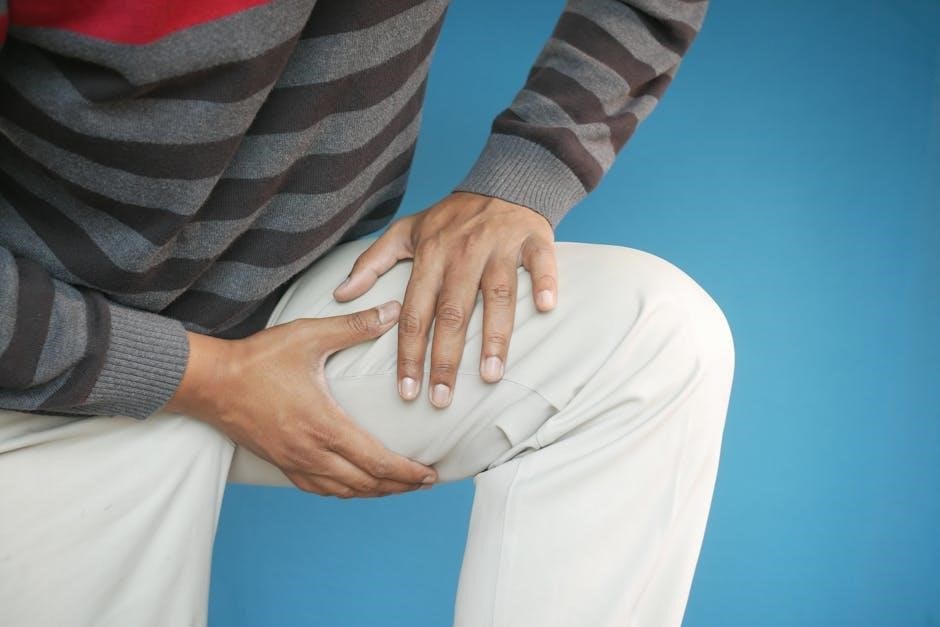
Targeting the hip abductors – gluteus medius and minimus – is crucial for addressing GTPS, as weakness in these muscles contributes to altered biomechanics and increased stress on the greater trochanter. Strengthening these muscles improves pelvic and hip stability during weight-bearing activities.
Effective exercises include side-lying hip abduction, performed with controlled movements and focusing on isolating the abductor muscles. Utilizing resistance bands around the ankles or thighs progressively increases the challenge. Clam shells, another excellent option, engage the gluteus medius while minimizing stress on the hip joint.
Isometric holds in various hip abduction angles can also be incorporated, particularly in the early stages of rehabilitation. Proper form and avoiding hip hiking are essential for maximizing effectiveness and preventing compensatory movements.
Gluteal Strengthening Exercises
Strengthening the gluteal muscles – gluteus maximus, medius, and minimus – is paramount in GTPS rehabilitation, as they play a vital role in hip extension, external rotation, and pelvic stabilization. Robust gluteal function helps control lower limb movements and reduces stress on the greater trochanter.
Exercises like glute bridges, performed with proper form and controlled descent, effectively target the gluteus maximus. Single-leg glute bridges increase the challenge and enhance neuromuscular control. Hip thrusts, utilizing a bench for support, provide a greater range of motion and increased muscle activation.
Variations incorporating resistance bands or weights can further progress the exercises. Focus on maintaining a neutral spine and engaging the core throughout each movement to optimize gluteal activation and prevent compensatory patterns.
Exercise Program Design & Considerations
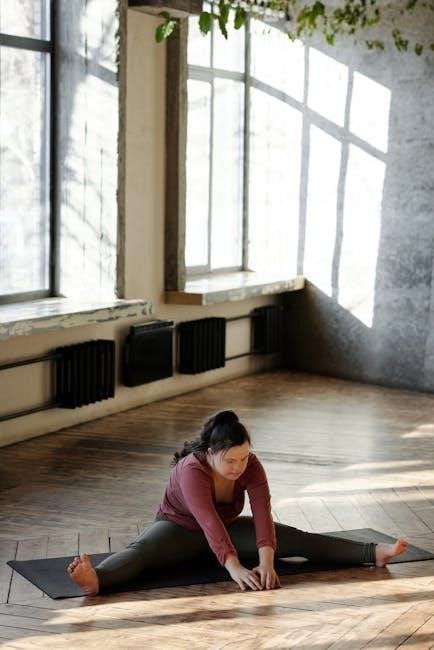
Successful GTPS rehabilitation demands careful program design, prioritizing periodization, pain avoidance, and utilizing gravity-eliminated positions for optimal patient outcomes.
Resistance bands are invaluable tools, and consistent home exercise adherence is crucial for long-term functional improvements and sustained pain relief.
Periodization of Exercise for GTPS Rehabilitation
Implementing a periodized exercise program is vital for progressive and effective GTPS rehabilitation. Initially, a focus on isometric exercises – both short and long lever arm variations – establishes a foundation of strength without exacerbating pain. This phase, lasting approximately 2-4 weeks, prioritizes neuromuscular activation and pain modulation.
Subsequently, transition to isotonic exercises, beginning with low-load, high-repetition movements. This phase, spanning 4-6 weeks, builds strength and endurance. Progressive overload is key, gradually increasing resistance or repetitions as tolerated.
Finally, incorporate motor control training to address underlying neuromuscular deficiencies. This phase, continuing for 6+ weeks, focuses on restoring proper movement patterns and enhancing functional stability. Careful monitoring of pain levels and functional improvements guides progression through each phase, ensuring optimal outcomes and minimizing the risk of re-injury.
Eccentric exercise, when appropriate, can be strategically integrated within the isotonic phase to promote tissue adaptation and improve functional capacity.
Avoiding Pain Aggravation During Exercise
Central to successful GTPS rehabilitation is diligently avoiding pain aggravation during exercise. Begin with gravity-eliminated positions, particularly for isometric exercises, minimizing stress on the greater trochanter. Utilize a towel roll under the hip during short lever arm exercises to prevent abduction, and employ heel-against-wall support for long lever arm variations.
Progress cautiously, monitoring pain levels throughout each exercise. A slight increase in discomfort is acceptable, but sharp or radiating pain necessitates immediate modification or cessation. Prioritize proper form over resistance, ensuring controlled movements and avoiding compensatory strategies.
Implement a “rule of two” – if pain persists for more than two hours post-exercise, or if it increases beyond a 2/10 scale, reduce intensity or modify the exercise. Warm-up thoroughly before each session and incorporate gentle stretching to prepare the tissues. Listen to your body and adjust the program accordingly.
Gravity-Eliminated Positions in Exercise
Employing gravity-eliminated positions is crucial when initiating exercise for Greater Trochanteric Pain Syndrome (GTPS). These positions significantly reduce compressive forces at the greater trochanter, minimizing pain and facilitating early engagement of hip musculature. Isometric exercises, particularly hip abduction, are ideally performed lying on the side with the affected leg positioned to neutralize gravity’s pull.
This often involves slight hip flexion and internal rotation. Utilizing a towel roll under the hip can further assist in maintaining optimal alignment and preventing unwanted abduction. Progressing to gravity-challenged positions should only occur when pain-free performance is consistently achieved.
The goal is to gradually reintroduce load while maintaining control and avoiding compensatory movements. Remember, prioritizing pain-free movement in these initial stages sets the foundation for a successful rehabilitation program and prevents exacerbation of symptoms.
Use of Resistance Bands in GTPS Exercises
Resistance bands are invaluable tools in GTPS rehabilitation, offering progressive resistance and accommodating loading patterns. They allow for targeted strengthening of hip abductors and external rotators, crucial muscle groups often compromised in GTPS. Bands can be incorporated into both isometric and isotonic exercises, providing adjustable resistance levels to match individual strength and tolerance.
For isometric exercises, bands can be looped around the ankles or thighs to increase the challenge during hip abduction in gravity-eliminated positions. Isotonic exercises benefit from bands providing resistance throughout the range of motion, promoting muscle endurance and control.
Careful band selection and proper form are essential to avoid compensatory movements and ensure effective muscle activation. Progress resistance gradually, monitoring for any pain exacerbation, and prioritize controlled movements over high repetitions.
Home Exercise Program Adherence
Successful GTPS rehabilitation hinges on consistent adherence to a home exercise program (HEP). Patients often experience fluctuating symptoms, making long-term commitment challenging; therefore, a well-designed HEP must be individualized, realistic, and progressively challenging. Clear instructions, including visual aids and detailed descriptions, are paramount for proper execution.
Regular follow-up appointments, whether in-person or telehealth, provide opportunities to address questions, monitor progress, and modify the HEP as needed. Education regarding GTPS pathology and the rationale behind each exercise fosters patient understanding and motivation.
Strategies to enhance adherence include setting achievable goals, incorporating exercises into daily routines, and emphasizing the importance of pain management during and after exercise. Ultimately, empowering patients to actively participate in their recovery is key to long-term success.

Adjunctive Therapies & Considerations
Alongside exercise, therapies like corticosteroid injections or radial shock wave therapy may offer symptom relief, but should be integrated with a comprehensive rehabilitation program.
Corticosteroid Injections & Exercise
Corticosteroid injections are frequently utilized for managing pain associated with Greater Trochanteric Pain Syndrome (GTPS), offering short-term relief by reducing inflammation around the greater trochanter. However, it’s crucial to understand that injections are generally considered a palliative measure, addressing symptoms rather than the underlying cause.
Therefore, combining corticosteroid injections with a structured exercise program is often recommended for optimal and lasting outcomes. The injection can reduce pain sufficiently to allow patients to actively participate in rehabilitation, improving exercise tolerance and adherence.
A well-designed exercise regimen, encompassing isometric, isotonic, and motor control exercises, addresses the neuromuscular deficiencies and biomechanical factors contributing to GTPS. Timing is key; exercise should ideally commence as pain subsides following the injection, gradually progressing in intensity and complexity. Simply receiving an injection without subsequent rehabilitation often leads to symptom recurrence.
Research suggests that a combined approach—injection followed by targeted exercise—yields superior results compared to either treatment modality alone, promoting long-term functional improvement and reducing the likelihood of chronic pain.
Radial Shock Wave Therapy & Exercise
Radial Shock Wave Therapy (RSWT) is emerging as a potential adjunct treatment for Greater Trochanteric Pain Syndrome (GTPS), aiming to stimulate healing and reduce pain through mechanical energy delivered to affected tissues. While the exact mechanisms aren’t fully understood, RSWT is believed to promote collagen synthesis and neovascularization, potentially addressing chronic tendinopathy often present in GTPS.
However, similar to corticosteroid injections, RSWT is most effective when integrated with a comprehensive exercise program. RSWT can help reduce pain and improve tissue tolerance, creating a window of opportunity for targeted rehabilitation.
The subsequent exercise regimen should focus on restoring optimal hip and lower limb biomechanics, addressing muscle imbalances, and enhancing neuromuscular control. This includes isometric, isotonic, and motor control exercises, progressively loaded to challenge the healing tissues.
Studies, like those referenced in current literature, indicate that combining RSWT with exercise yields better functional outcomes and pain reduction compared to RSWT alone, emphasizing the importance of active rehabilitation for long-term success.