Choosing between manual and electric coffee grinders hinges on balancing convenience‚ cost‚ and coffee quality. Both options deliver freshly ground beans‚ crucial for optimal flavor.
Manual grinders offer portability and quiet operation‚ while electric models prioritize speed and ease of use. The ideal choice depends on individual preferences and brewing needs.
The Importance of Grind Quality
Achieving a consistent grind size is paramount for exceptional coffee extraction. Uneven grounds lead to inconsistent flavor profiles – some particles over-extracted‚ resulting in bitterness‚ while others remain under-extracted‚ yielding sourness. The quality of your grinder directly impacts the final cup‚ often more so than the coffee beans themselves.
A uniform grind ensures that water flows evenly through the coffee bed‚ extracting the desired compounds at the same rate. This is especially critical for methods like espresso‚ demanding precise particle size. Manual grinders‚ particularly high-quality burr grinders‚ are often praised for their ability to produce remarkably consistent grounds‚ rivaling many entry-level electric options. However‚ advancements in electric grinder technology are continually improving grind consistency across various price points.
Ultimately‚ a quality grind unlocks the full potential of your coffee beans‚ delivering a balanced‚ flavorful‚ and aromatic brew.
Brief Overview of Manual Grinders
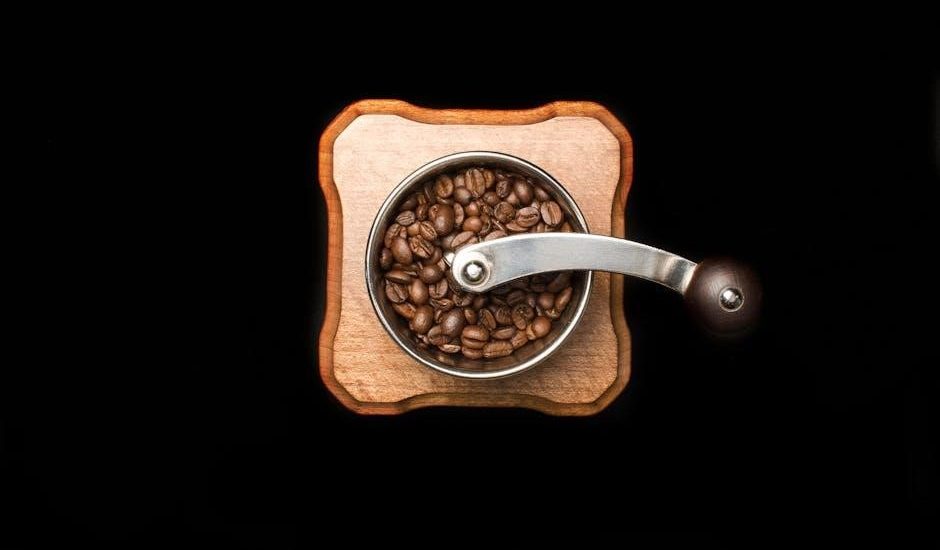
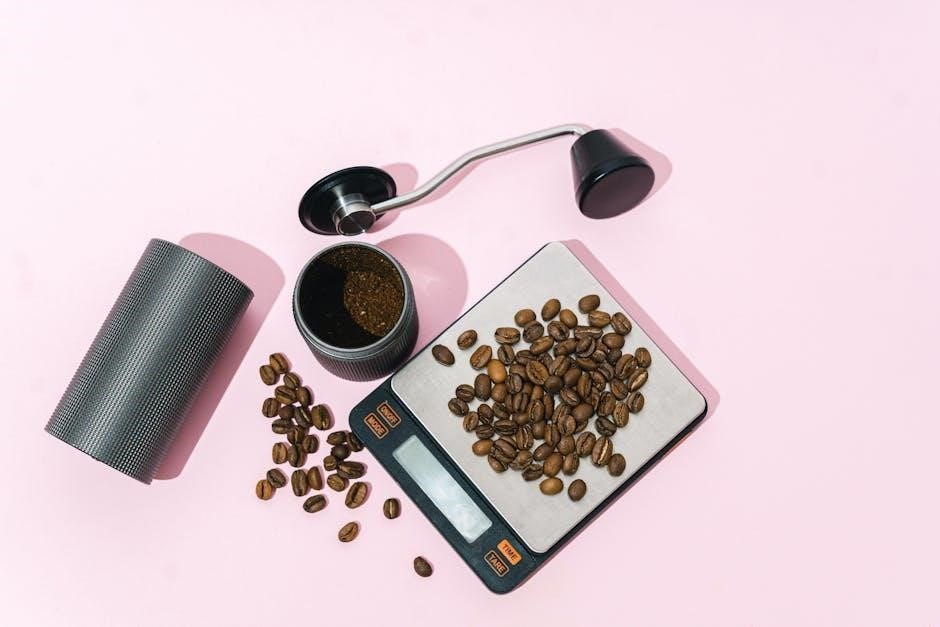
Manual coffee grinders rely on hand-cranked mechanisms to crush coffee beans‚ offering a tactile and engaging brewing experience; These grinders typically feature burr systems – either conical or flat – responsible for achieving the desired grind size. They are celebrated for their simplicity‚ portability‚ and lack of reliance on electricity‚ making them ideal for travel or off-grid situations.
Manual grinders come in a wide range of prices and build qualities‚ from basic models to premium options crafted with durable materials like stainless steel. They are often smaller and more compact than electric grinders‚ requiring less counter space. The grinding process‚ while requiring physical effort‚ allows for greater control over grind size and consistency‚ particularly with practice.
They are a great entry point for coffee enthusiasts seeking a cost-effective and rewarding brewing method.
Brief Overview of Electric Grinders
Electric coffee grinders utilize an electric motor to automate the grinding process‚ providing speed and convenience for daily coffee preparation. They are available in two primary types: blade and burr grinders. Blade grinders chop beans with spinning blades‚ offering affordability but often resulting in inconsistent grind sizes. Burr grinders‚ like their manual counterparts‚ use two revolving abrasive surfaces for a more uniform grind.
Electric grinders typically boast larger bean hoppers and can grind larger batches of coffee at once‚ making them suitable for households or offices with higher consumption; Many models feature adjustable grind settings‚ catering to various brewing methods. However‚ they require a power source and can generate significant noise during operation.
Advanced electric grinders‚ like the Burrus‚ offer sophisticated features for precision grinding.
Manual Coffee Grinders: A Detailed Look
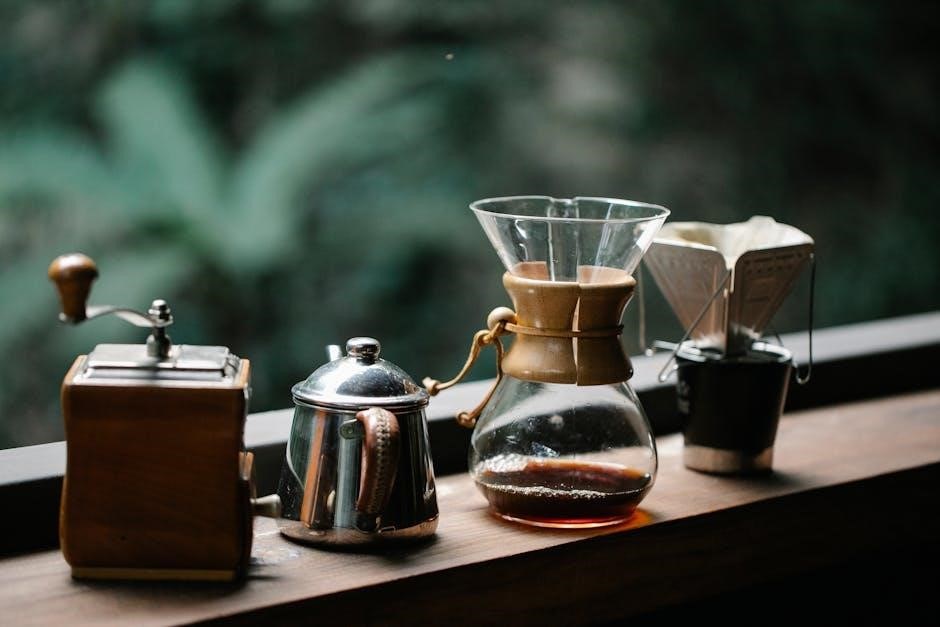
Manual coffee grinders offer a tactile‚ hands-on experience‚ prized for their control over grind size and portability. They are a favored choice for coffee enthusiasts seeking precision.
These grinders are compact‚ quiet‚ and don’t rely on electricity‚ making them ideal for travel or off-grid settings.
Pros of Manual Coffee Grinders
Manual coffee grinders present several compelling advantages for the discerning coffee drinker. Foremost is their exceptional portability; being compact and electricity-free‚ they’re perfect for travel‚ camping‚ or simply enjoying fresh coffee anywhere.
Another significant benefit is their quiet operation. Unlike electric grinders‚ manual models produce minimal noise‚ allowing for peaceful morning routines. Furthermore‚ manual grinders often represent excellent value for money‚ offering comparable grind quality to more expensive electric options‚ particularly at the entry level.
They also empower users with greater control over the grinding process‚ fostering a deeper connection to their coffee ritual. This hands-on approach appeals to those who appreciate the art of coffee preparation.
Portability and Travel-Friendliness
Manual coffee grinders truly shine when it comes to portability and travel. Their compact size and lightweight design make them ideal companions for adventurers‚ campers‚ or anyone who enjoys fresh coffee on the go. Unlike electric grinders‚ they require no power source‚ eliminating the need for adapters or access to electricity.
This independence is a significant advantage when traveling to remote locations or simply wanting to enjoy a quiet cup outdoors. You can easily pack a manual grinder in your luggage or backpack without adding substantial weight or bulk.
The ability to enjoy freshly ground coffee wherever you are elevates the travel experience‚ offering a taste of home and a moment of tranquility amidst exploration.
Quiet Operation
One of the most appealing aspects of manual coffee grinders is their remarkably quiet operation. Unlike electric grinders‚ which can produce a significant amount of noise during operation‚ manual grinders operate silently. This makes them perfect for early mornings‚ shared living spaces‚ or any situation where you want to avoid disturbing others.
The absence of a motor means no whirring‚ grinding‚ or buzzing sounds – just the gentle turning of the handle. This peaceful experience adds to the ritual of coffee preparation‚ allowing you to savor the process without disruption;
For those who value tranquility or have noise-sensitive environments‚ a manual grinder is an excellent choice‚ offering a serene and enjoyable coffee grinding experience.
Cost-Effectiveness & Value for Money
Manual coffee grinders generally represent a more cost-effective entry point into the world of fresh coffee grinding. Compared to electric models‚ particularly those with advanced features‚ manual grinders are significantly more affordable. You can obtain a high-quality manual grinder without a substantial financial investment.
This makes them an excellent option for beginners or those on a budget who still desire the benefits of freshly ground beans. The value extends beyond the initial price‚ as manual grinders typically require less maintenance and have fewer parts that can break down.
For the price‚ manual grinders deliver exceptional performance and durability‚ offering a compelling value proposition for coffee enthusiasts.
Cons of Manual Coffee Grinders
Despite their advantages‚ manual coffee grinders present certain drawbacks. The most significant is the physical effort required for grinding‚ which can be time-consuming‚ especially for larger batches or coarser grinds. This effort isn’t ideal for those seeking quick‚ effortless coffee preparation.
Another limitation is the typically smaller capacity of the bean hopper. Frequent refills are necessary when grinding for multiple people or larger brewing methods like French press‚ interrupting the workflow.
Consistency can also be a challenge‚ requiring more technique and control from the user. While capable of excellent results‚ achieving consistent grinds demands practice and patience.
Grinding Effort and Time
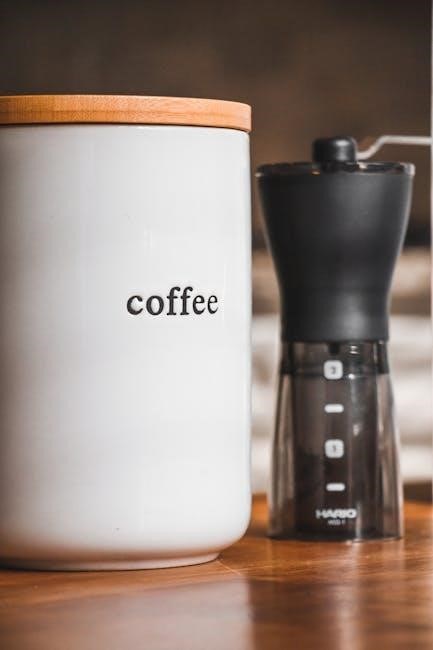
Manual coffee grinding undeniably demands physical exertion. Unlike the push-button convenience of electric grinders‚ manual operation requires consistent hand-cranking. This can be a noticeable effort‚ particularly when grinding larger quantities of beans or achieving a fine grind for espresso.
The time investment is also considerably higher. Grinding enough coffee for a few cups can take several minutes‚ a stark contrast to the seconds required by an electric grinder. This time difference is a key consideration for those prioritizing speed and efficiency in their morning routine.
Ultimately‚ the effort and time involved make manual grinding less appealing for daily use for some coffee enthusiasts.
Limited Capacity of Bean Hopper
A common drawback of manual coffee grinders is their typically smaller bean hopper capacity. Compared to their electric counterparts‚ manual grinders generally hold a significantly lesser volume of whole beans. This necessitates more frequent refilling during grinding sessions‚ especially when preparing coffee for multiple people or larger brewing batches.
This limited capacity can interrupt the workflow‚ adding extra steps and potentially slowing down the overall coffee-making process. While not a deal-breaker for everyone‚ it’s a practical consideration for those who value uninterrupted convenience.
Users often find themselves refilling the hopper mid-grind‚ a minor inconvenience that accumulates over time.
Electric Coffee Grinders: A Detailed Look
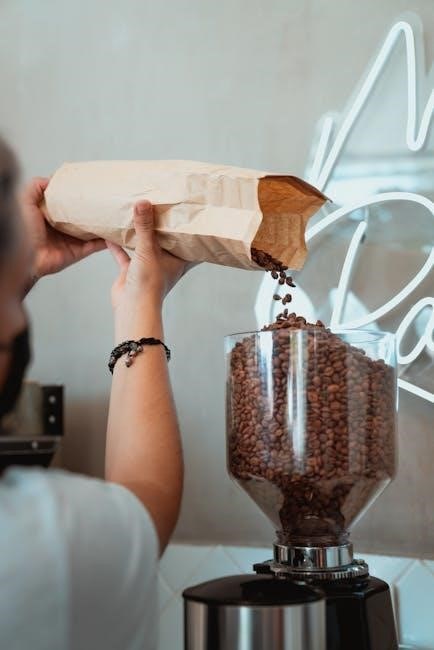
Electric coffee grinders excel in speed and convenience‚ offering larger capacities for batch grinding. They simplify the coffee preparation process‚ ideal for busy mornings and larger households.
Pros of Electric Coffee Grinders
Electric coffee grinders offer significant advantages in terms of speed and convenience. Compared to manual grinders‚ they drastically reduce grinding time‚ making them perfect for those with busy lifestyles or who frequently brew larger batches.
These grinders typically boast larger capacity bean hoppers‚ minimizing the need for constant refilling during use. This is particularly beneficial when preparing coffee for multiple people. Furthermore‚ electric grinders generally require less physical effort‚ making them accessible to a wider range of users.
The ease of operation and consistent results contribute to a more streamlined coffee-making experience‚ allowing users to focus on enjoying their brew rather than the labor-intensive process of manual grinding.
Speed and Convenience
Electric coffee grinders excel in speed and convenience‚ a major draw for many coffee enthusiasts. They eliminate the physical exertion required by manual grinders‚ delivering ground coffee with the push of a button. This efficiency is invaluable for those seeking a quick and effortless morning routine.
The rapid grinding process saves valuable time‚ especially when compared to the more deliberate pace of hand grinding. This makes electric grinders ideal for individuals who prioritize efficiency and want to minimize preparation time.
Simply add beans‚ select the desired grind setting‚ and let the grinder do the work – a level of convenience unmatched by manual alternatives.
Larger Capacity & Batch Grinding
Electric coffee grinders typically boast a significantly larger bean hopper capacity compared to their manual counterparts. This allows for grinding larger quantities of beans at once‚ reducing the need for frequent refills. This feature is particularly beneficial for households with multiple coffee drinkers or those who enjoy brewing larger batches.

The ability to grind in batches streamlines the coffee-making process‚ saving time and effort. Electric grinders are well-suited for preparing coffee for gatherings or for those who prefer to have a supply of pre-ground coffee readily available.
This capacity makes them a practical choice for consistent‚ high-volume coffee consumption.
Cons of Electric Coffee Grinders
Electric coffee grinders‚ while convenient‚ come with several drawbacks. A primary concern is the higher initial cost compared to manual grinders‚ potentially making them less accessible for budget-conscious consumers. Furthermore‚ electric grinders generate a noticeable noise level during operation‚ which can be disruptive‚ especially in quiet environments.
Dependence on electricity is another limitation; they are unusable during power outages or when traveling to locations without electrical access. While offering speed‚ this convenience comes at the cost of portability and self-sufficiency.
Repair and potential replacement costs should also be considered.
Higher Cost
Electric coffee grinders generally represent a more significant financial investment upfront. Compared to their manual counterparts‚ even entry-level electric models often carry a higher price tag. This increased cost stems from the inclusion of a motor‚ electronic components‚ and more complex manufacturing processes.
While offering convenience‚ this initial expense can be a barrier for casual coffee drinkers or those new to grinding their own beans. Manual grinders frequently provide a more budget-friendly entry point into the world of fresh coffee‚ delivering comparable results at a lower cost.
Potential repair costs add to the long-term financial burden.
Noise Level
Electric coffee grinders are notorious for their operational noise. The whirring and grinding of beans‚ powered by an electric motor‚ can be quite disruptive‚ especially in quiet environments or early in the morning. This noise level can be a significant drawback for those living in apartments‚ shared spaces‚ or simply preferring a peaceful brewing experience.
In stark contrast‚ manual grinders operate virtually silently. The hand-cranking mechanism produces minimal sound‚ allowing for a discreet and tranquil grinding process. This makes them ideal for light sleepers‚ shared living situations‚ or anyone who values a quiet kitchen.
The silent operation is a key advantage of manual grinders.
Dependence on Electricity
Electric coffee grinders inherently require a power source to function. This reliance on electricity introduces limitations‚ particularly in situations where outlets are unavailable. Camping trips‚ power outages‚ or remote locations become challenging for electric grinder users‚ hindering their ability to enjoy freshly ground coffee.
Manual grinders‚ conversely‚ are entirely independent of electricity. Their mechanical operation‚ driven by hand power‚ ensures functionality in any environment. This self-sufficiency makes them exceptionally versatile and reliable‚ offering a consistent grinding solution regardless of external circumstances.
This independence is a significant benefit of manual grinders‚ providing freedom and flexibility.
Grind Consistency: Manual vs. Electric
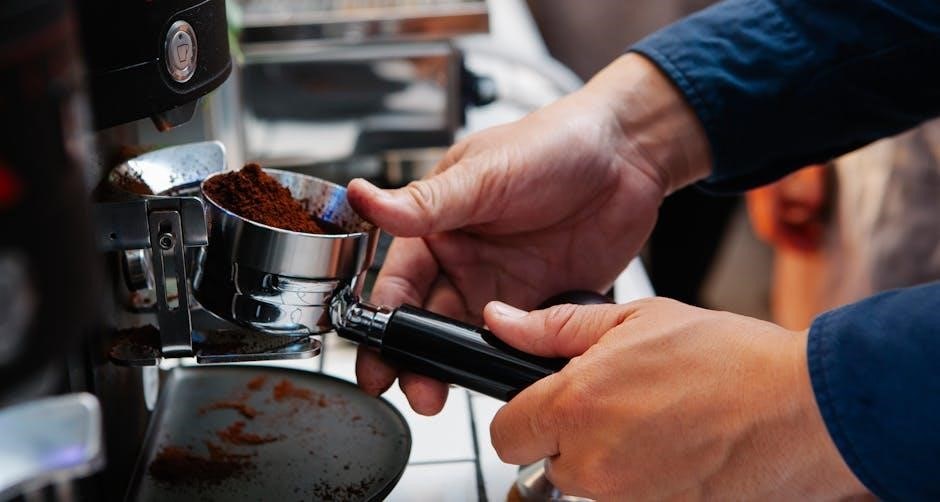
Manual grinders often achieve superior grind uniformity‚ especially compared to entry-level electric models. Consistent particle size is vital for balanced extraction and optimal coffee flavor.
However‚ high-end electric grinders can rival or surpass manual consistency‚ impacting brewing methods like pour-over‚ espresso‚ and French press.
Uniformity in Grind Size
Achieving a uniform grind size is paramount for optimal coffee extraction. When particles are consistently sized‚ water flows through the grounds evenly‚ resulting in a balanced and flavorful brew. Inconsistent grinds lead to both under-extraction – sourness – and over-extraction – bitterness.
Many sources indicate that manual grinders‚ particularly those with conical burrs‚ excel in this area. The slower grinding process allows for more precise particle reduction. However‚ this isn’t a universal rule. High-quality electric burr grinders can also deliver exceptional uniformity‚ often with adjustable settings to fine-tune the grind for specific brewing methods.
The key difference often lies in the price point. Entry-level electric grinders frequently produce a less consistent grind compared to similarly priced manual options. Investing in a more expensive electric grinder can bridge this gap‚ offering comparable or even superior uniformity.
Impact on Different Brewing Methods
Grind size significantly impacts the final cup‚ varying with each brewing method. For pour-over coffee‚ a medium-fine‚ consistent grind is crucial for even extraction and clarity. Manual grinders often shine here‚ delivering the necessary uniformity.
Espresso demands an extremely fine and consistent grind‚ where even slight variations can ruin the shot. While some high-end electric grinders excel‚ manual grinders can provide superior control for espresso enthusiasts.
French press requires a coarse grind to prevent sediment from passing through the filter. Both manual and electric grinders can easily achieve this‚ though consistency is still important. Ultimately‚ the grinder’s ability to deliver the right consistency for the chosen method is key.
Pour-Over Coffee
Pour-over brewing demands a medium-fine‚ remarkably consistent grind size for optimal extraction. Uneven grounds lead to bitter or sour flavors‚ hindering the nuanced profile pour-over aims to achieve. Manual grinders frequently excel in this area‚ offering superior grind uniformity compared to many entry-level electric models.
The control offered by manual grinding allows for fine adjustments‚ dialing in the perfect grind for specific beans and preferences. While capable electric grinders exist‚ achieving this level of precision often comes at a higher cost.
Consistent particle size ensures even water flow and balanced flavor‚ making manual grinders a favored choice among pour-over aficionados.
Espresso
Espresso preparation requires the most precise and consistent grind of all brewing methods – extremely fine and uniform. Any inconsistency results in channeling‚ uneven extraction‚ and ultimately‚ a subpar shot. Manual grinders‚ particularly high-end models‚ can deliver this level of precision‚ rivaling or even surpassing many electric grinders.
Achieving the necessary fineness and consistency with an electric grinder often necessitates a significant investment in a quality burr grinder designed specifically for espresso.
The tactile feedback of a manual grinder also allows for subtle adjustments‚ crucial for dialing in the perfect espresso grind. However‚ the effort required can be substantial.
French Press
French Press brewing demands a coarse‚ consistent grind to prevent sediment from passing through the filter. While not as demanding as espresso‚ uniformity remains vital for balanced extraction. Manual grinders excel at producing this coarse grind‚ offering excellent control over particle size and minimizing fines.
Entry-level electric grinders can sometimes struggle with consistency at coarser settings‚ leading to a muddy or bitter brew. However‚ higher-end electric burr grinders designed for French Press can deliver comparable results.
The slower grinding process of a manual grinder is less of a drawback for French Press‚ as the brewing method itself is relatively slow and deliberate.
Durability and Maintenance
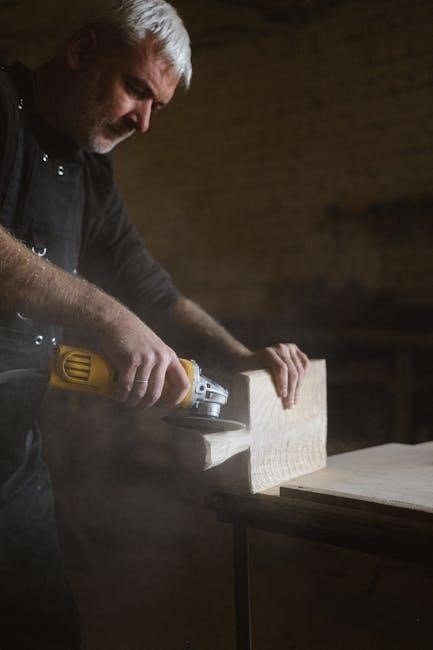
Manual grinders boast simple construction‚ enhancing longevity and ease of repair. Electric grinders may require professional servicing over time‚ impacting their overall lifespan.
Manual Grinder Build Quality
Manual coffee grinders generally feature robust construction with fewer components than their electric counterparts. This simplicity often translates to increased durability and a longer lifespan‚ particularly in well-maintained models. Many utilize stainless steel burrs‚ known for their hardness and resistance to wear‚ ensuring consistent grinding performance over extended periods.
The build materials frequently include stainless steel‚ ceramic‚ or cast iron‚ contributing to a solid and reliable feel. While plastic components may be present‚ higher-end manual grinders prioritize metal construction for enhanced stability. Repairing a manual grinder is often straightforward‚ involving replacing burrs or tightening components‚ potentially extending its usability for years.
The lack of electrical parts also eliminates the risk of motor failure or electronic malfunctions‚ further bolstering their long-term reliability.
Electric Grinder Lifespan & Repair
The lifespan of an electric coffee grinder varies significantly based on usage‚ build quality‚ and maintenance. Entry-level models may last several years with consistent use‚ while higher-end grinders with durable motors and robust construction can endure a decade or more; Regular cleaning is crucial to prevent buildup and maintain optimal performance.
Repairing electric grinders can be complex‚ often requiring specialized knowledge and tools. Common issues include motor failure‚ burr wear‚ and switch malfunctions. Replacing parts can be costly‚ and depending on the model‚ repair may not be economically viable.
More sophisticated grinders‚ like the Burrus‚ may offer repair services‚ but simpler models are often replaced rather than fixed. Electrical components introduce a potential point of failure absent in manual grinders.
Which Grinder is Right for You?
The “best” coffee grinder truly depends on your lifestyle and priorities. If portability‚ quiet operation‚ and budget are paramount‚ a manual grinder offers exceptional value and consistent results‚ particularly for pour-over or French press. They excel in grind uniformity‚ rivaling many entry-level electric options.
However‚ for speed‚ convenience‚ and larger batch grinding‚ an electric grinder is the clear winner. While often pricier‚ they simplify the process and are ideal for daily use. Consider your brewing frequency and desired level of effort.
Ultimately‚ both manual and electric grinders can elevate your coffee experience.