

The Classroom Behavior Manual: A Comprehensive Guide
This manual details proactive strategies‚ positive reinforcement‚ and de-escalation techniques for fostering a supportive learning environment. It emphasizes building relationships and collaboration.
Proactive behavior management is crucial for establishing a positive and productive classroom climate. Rather than simply reacting to misbehavior‚ a proactive approach focuses on preventing issues before they arise. This involves creating clear expectations‚ fostering positive relationships with students‚ and implementing strategies that encourage self-regulation.
Effective strategies include utilizing peer influence – where well-behaved students model appropriate conduct – and establishing accountability partnerships to keep students motivated. A well-managed classroom maximizes learning time and minimizes disruptions‚ benefiting all students. Prioritizing prevention builds a foundation for success.
Understanding Student Behavior
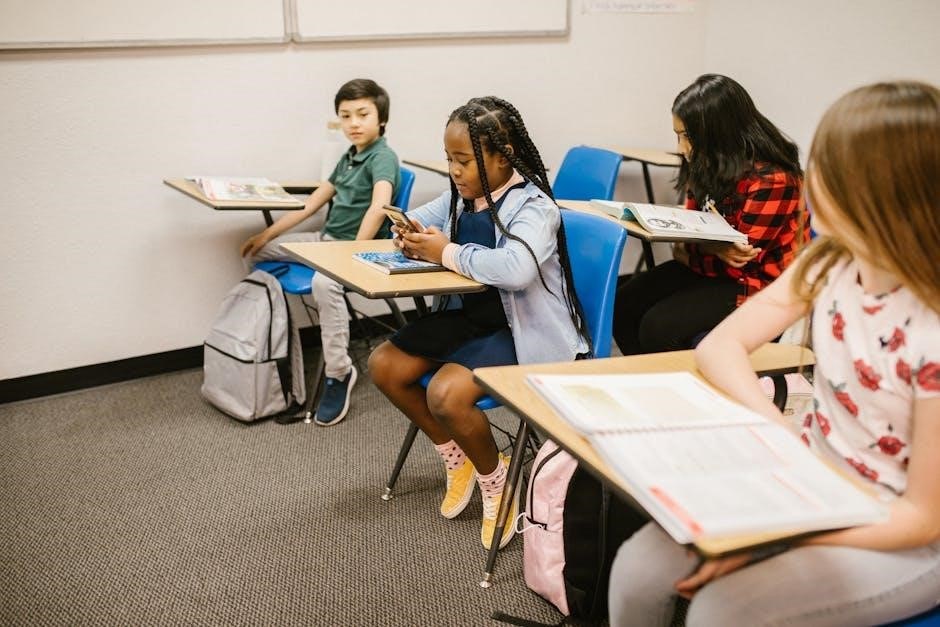
Truly effective behavior management begins with understanding why students behave the way they do. Misbehavior is often a symptom of underlying needs or challenges‚ not simply a deliberate attempt to disrupt. Factors like developmental stage‚ emotional regulation skills‚ and individual learning differences all play a significant role.
Identifying root causes – whether attention-seeking‚ frustration‚ or difficulty understanding expectations – is paramount. Recognizing that students may struggle with attention or dysregulation allows for tailored support and interventions‚ moving beyond punitive measures towards understanding and guidance.
Identifying Root Causes of Misbehavior
Digging deeper than surface-level disruptions is crucial. Misbehavior frequently signals unmet needs – a desire for attention‚ avoidance of challenging tasks‚ or difficulty with social-emotional skills. Consider if a student’s actions stem from frustration‚ a lack of understanding regarding expectations‚ or underlying emotional distress.
Observe patterns; is the behavior consistent across subjects or situations? More mature students can sometimes assist by reminding peers of rules‚ indicating a need for clearer expectations or support for those struggling with self-regulation.
The Role of Development in Classroom Conduct
Understanding age-appropriate expectations is paramount. Middle schoolers‚ experiencing increased maturity‚ require strategies reflecting their evolving capabilities. While capable of positive influence‚ they still benefit from structured guidance and clear boundaries.
Behavioral expectations must align with developmental stages. Strategies like accountability partners leverage their growing social awareness. Recognizing that students are not miniature adults allows for empathetic responses and tailored interventions‚ fostering a supportive classroom climate conducive to learning and growth.
Establishing Clear Expectations
A foundation of successful classroom management rests upon clearly defined expectations. This involves collaboratively creating a classroom rules charter‚ ensuring student buy-in and understanding. Expectations shouldn’t simply dictate what is expected‚ but also why – providing rationale fosters intrinsic motivation.
Effective communication is key; expectations must be consistently and explicitly stated. Utilizing social stories can visually demonstrate appropriate behaviors and their consequences‚ particularly benefiting students needing concrete examples. Consistency in enforcing these expectations builds trust and predictability.
Creating a Classroom Rules Charter
Developing a classroom rules charter collaboratively with students fosters ownership and responsibility. Begin by brainstorming essential behaviors for a positive learning environment. Frame rules positively – focusing on what to do rather than what not to do.
Limit the number of rules to ensure clarity and memorability. Post the charter prominently and revisit it regularly. Ensure rules are fair‚ consistently applied‚ and aligned with school-wide expectations. This process empowers students and establishes a shared understanding of acceptable conduct.
Communicating Expectations Effectively
Clearly communicating expectations is paramount for proactive behavior management. Don’t assume students understand unspoken rules; explicitly state and model desired behaviors. Utilize multiple modalities – verbal explanations‚ visual aids‚ and demonstrations – to cater to diverse learning styles.
Regularly review expectations‚ especially after transitions or breaks. Connect rules to rationale‚ explaining why certain behaviors are expected. Provide specific feedback‚ acknowledging both positive actions and areas for improvement. Consistency in communication reinforces understanding and accountability.
Positive Reinforcement Strategies
Positive reinforcement is a cornerstone of effective classroom management‚ shifting focus from punishment to rewarding desired behaviors. Verbal praise and encouragement should be frequent and specific‚ highlighting effort and progress. Implement reward systems‚ offering incentives for meeting expectations – these can range from small privileges to tangible rewards.
Consider peer recognition programs‚ allowing students to acknowledge each other’s positive contributions. Middle schoolers‚ in particular‚ benefit from positive reinforcement‚ influencing peers to model appropriate conduct. A focus on positivity fosters a more engaging and supportive learning environment.
Verbal Praise and Encouragement
Effective verbal praise goes beyond simply saying “good job.” It should be specific‚ detailing what the student did well and why it was positive. For example‚ “I noticed you helped Maria with her math problem; that was very kind and helpful!” Encourage effort‚ not just outcomes‚ fostering a growth mindset.
Regular‚ genuine encouragement builds student confidence and motivates continued positive behavior. Positive reinforcement‚ like praise‚ is especially impactful in middle school‚ influencing peers and creating a supportive classroom climate. Acknowledge small improvements to build momentum.
Reward Systems and Incentives
Thoughtfully designed reward systems can motivate students and reinforce positive behaviors. These don’t always need to be tangible; privileges like extra free time or choosing a classroom activity can be effective. When using tangible rewards‚ ensure they are age-appropriate and align with school policies.
The most successful middle school strategies heavily utilize positive reinforcement. Consider class-wide incentives for collective goals‚ fostering teamwork. Regularly evaluate the system’s effectiveness and adjust as needed to maintain student engagement and prevent diminishing returns.
Peer Recognition Programs

Harnessing the power of positive peer influence can be a highly effective behavior management tool. Encourage students to acknowledge and appreciate each other’s positive contributions and behaviors. This fosters a supportive classroom community and promotes prosocial interactions.
Better-regulated students can positively influence peers struggling with attention or self-regulation by modeling appropriate conduct and reminding others of classroom expectations. Implement simple systems like “student of the week” or allowing students to give each other positive notes‚ reinforcing desired behaviors.
Proactive Classroom Management Techniques
Preventative measures are crucial for a well-managed classroom. Strategic planning minimizes disruptions and maximizes learning time. Consider the physical environment – a thoughtfully designed layout and seating arrangement can significantly impact student behavior.

Pairing students as accountability partners encourages collaborative learning and mutual support‚ keeping each other motivated and on track. Furthermore‚ utilizing social stories provides concrete examples of expected behaviors‚ particularly beneficial for students needing clear guidance and emotional support. These techniques foster a positive and productive atmosphere.
Strategic Classroom Layout & Seating Arrangements
A well-planned classroom physically supports positive behavior. Consider visibility – ensure all students are easily seen to discourage off-task behavior. Strategic seating can also facilitate peer support; pairing students allows for reminders of rules and modeling of appropriate conduct.
This layout makes assigning accountability partners more feasible‚ fostering teamwork and motivation. Thoughtful arrangement minimizes distractions and maximizes engagement. The goal is to create a space that promotes learning and minimizes opportunities for misbehavior through intentional design.
Accountability Partners & Collaborative Learning
Pairing students as accountability partners is a powerful strategy. More mature and regulated students can positively influence peers struggling with attention or self-regulation by gently reminding them of expectations and demonstrating appropriate behavior. This fosters a sense of shared responsibility and mutual support within the classroom.
Collaborative learning activities further enhance this dynamic‚ encouraging students to work together‚ problem-solve‚ and maintain focus. This approach leverages peer influence for positive behavioral outcomes and academic success.
Utilizing Social Stories for Behavioral Guidance
Social stories are invaluable tools for explicitly teaching expected behaviors. These narratives‚ using simple language and visuals‚ clarify expectations and associated consequences‚ particularly benefiting students who thrive on concrete examples. They don’t merely dictate actions; they also aid in emotional understanding and coping skill development.
Developing tailored social stories for various classroom situations proactively addresses potential behavioral challenges. This approach promotes predictability and reduces anxiety‚ fostering a more positive and supportive learning environment for all students.
Addressing Challenging Behaviors
When challenging behaviors arise‚ a tiered approach is crucial. Begin with non-verbal interventions – a simple glance or proximity control can often redirect a student. Redirection and prompting strategies offer subtle guidance back to appropriate conduct.
Implementing self-monitoring strategies empowers students to take ownership of their actions. These techniques‚ combined with consistent and calm responses from educators‚ minimize disruptions and foster a more productive learning atmosphere. Remember to prioritize understanding the function of the behavior.
Non-Verbal Intervention Techniques
Non-verbal cues are powerful tools for managing classroom behavior discreetly. These techniques minimize disruption and avoid public reprimands. Strategies include making eye contact to signal awareness of inappropriate behavior‚ using proximity control by moving closer to the student‚ and employing subtle gestures like a raised hand.
A calm facial expression and deliberate body language can also effectively redirect students. These methods are particularly useful for minor infractions and can prevent escalation before more formal interventions are needed‚ fostering a respectful environment.
Redirection and Prompting Strategies
Redirection involves gently guiding a student’s attention away from a disruptive behavior and towards a more appropriate activity. This could be a simple request to refocus on the task or offering a different‚ engaging assignment. Prompting provides subtle cues or reminders to encourage desired behaviors‚ like asking leading questions or visually demonstrating expectations.
These strategies are effective because they address the behavior without directly confronting the student‚ minimizing potential embarrassment and fostering a positive learning atmosphere. They support self-regulation skills.
Implementing Self-Monitoring Strategies
Self-monitoring empowers students to take ownership of their behavior by actively tracking and evaluating their own actions. This can involve checklists‚ behavior charts‚ or simple tally marks to record instances of desired or undesired behaviors. Students regularly assess their performance against pre-defined criteria.
This technique fosters metacognition and self-awareness‚ promoting intrinsic motivation for positive change. It’s particularly effective when combined with feedback and reinforcement‚ helping students internalize appropriate conduct.
Authoritative Classroom Management Style
An authoritative style balances clear expectations with warmth and responsiveness‚ fostering a respectful learning environment. This approach‚ rooted in Diana Baumrind’s research‚ emphasizes high control and high involvement. Educators clearly communicate rules and the rationale behind them‚ ensuring students understand why certain behaviors are expected.
It’s not simply about strictness; it’s about creating a supportive atmosphere where students feel valued and understood‚ promoting intrinsic motivation and responsible conduct.
Balancing Control and Warmth
Effective classroom management isn’t solely about strict rules; it’s a delicate balance between establishing clear boundaries and fostering positive relationships; Control provides structure and predictability‚ while warmth demonstrates genuine care and respect for students as individuals.
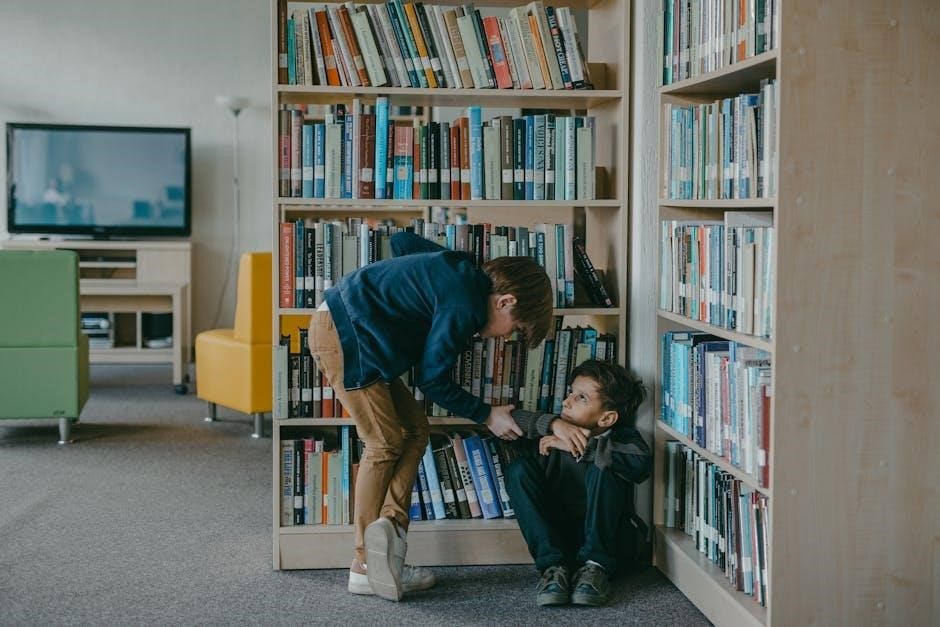
This duality creates a safe space where students feel comfortable taking risks and learning from mistakes. An authoritative approach‚ prioritizing both high control and high involvement‚ cultivates a classroom where expectations are clear‚ yet students feel valued and supported.
Clear Expectations and Rationale
Students thrive when they understand what is expected of them and‚ crucially‚ why those expectations exist. Simply stating rules isn’t enough; educators must articulate the rationale behind them‚ connecting behavior to a positive classroom environment and individual success.
This transparency fosters a sense of ownership and responsibility. When students grasp the purpose of expectations‚ they are more likely to internalize them and make positive choices. An authoritative style emphasizes this clear understanding of acceptable and unacceptable behaviors.
De-escalation Techniques
When a student’s behavior escalates‚ a calm and empathetic approach is paramount. Avoid power struggles and focus on understanding the underlying emotions driving the behavior. Providing a safe space allows students to regulate their feelings without judgment.
Employ calm communication‚ using a gentle tone and active listening to validate their experience. Removing the student from the situation‚ if appropriate‚ can offer a cooling-off period. The goal isn’t immediate compliance‚ but emotional regulation and a return to a productive state.
Calm and Empathetic Communication
During de-escalation‚ maintaining a calm demeanor is crucial; your emotional state significantly impacts the student. Speak in a soft‚ even tone‚ avoiding accusatory language or raised voices. Empathetic statements‚ like “I see you’re feeling frustrated‚” validate their emotions without condoning the behavior.
Active listening – truly hearing and acknowledging their perspective – builds trust. Focus on understanding why the student is upset‚ rather than immediately addressing the misbehavior. This approach fosters a sense of safety and encourages cooperation.
Providing a Safe Space for Emotional Regulation
Creating a designated “safe space” allows students to temporarily withdraw and regain control. This isn’t a punishment‚ but a proactive strategy for emotional regulation. The space should be quiet‚ comfortable‚ and free from distractions.
Clearly define the purpose of the space – a place to calm down‚ not to avoid work. Teach students how to recognize their triggers and self-initiate use of the space. Ensure confidentiality and avoid public shaming related to its use‚ fostering a supportive environment.
Building Positive Student-Teacher Relationships
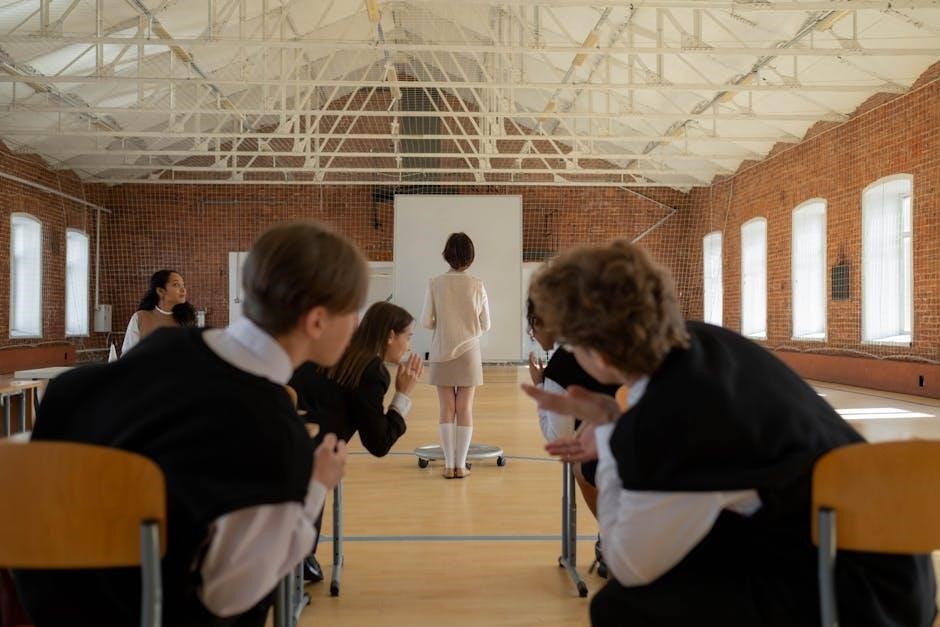
Strong relationships are foundational for effective classroom management. Demonstrating genuine care and respect builds trust and encourages students to engage positively. Prioritize getting to know students individually – their interests‚ strengths‚ and challenges.
Active listening and empathy are crucial; truly hear and validate student perspectives. Regular‚ positive interactions‚ even brief ones‚ reinforce connection. A supportive relationship fosters a sense of belonging‚ reducing behavioral issues and promoting academic success.
Showing Genuine Care and Respect
Demonstrating authentic care involves acknowledging students as individuals‚ beyond their academic performance. This means learning their names quickly‚ remembering personal details‚ and showing interest in their lives outside of school. Respectful interactions include using polite language‚ actively listening to their ideas‚ and valuing their contributions.
Avoid sarcasm or public shaming. Acknowledge effort‚ not just achievement. Small gestures‚ like a smile or a positive comment‚ can significantly impact a student’s sense of belonging and self-worth‚ fostering a positive classroom climate.
Active Listening and Empathy
Truly hearing students requires focused attention‚ both verbal and non-verbal cues. Put aside distractions‚ make eye contact‚ and nod to show engagement. Paraphrase their statements to confirm understanding and demonstrate you’re listening.
Empathy means attempting to understand their feelings and perspectives‚ even if you don’t agree. Validate their emotions (“That sounds frustrating”). This builds trust and encourages open communication‚ creating a safe space for students to express themselves and address concerns.
Collaboration with Parents and Guardians
Consistent support between home and school is crucial for effective behavior management. Regular communication – updates on progress‚ challenges‚ and successes – keeps parents informed. Share specific examples of behaviors observed in class‚ both positive and negative.
Develop shared strategies for addressing concerns‚ ensuring a unified approach. This might involve consistent consequences or reinforcement systems. Open dialogue fosters a partnership‚ allowing for a collaborative problem-solving approach that benefits the student’s overall well-being and academic success.
Regular Communication and Updates
Frequent and transparent communication builds trust and strengthens the home-school connection. Utilize various methods – emails‚ phone calls‚ newsletters‚ or parent-teacher conferences – to provide consistent updates on student behavior and academic progress.
Share both positive observations and areas for improvement‚ focusing on specific examples. Proactive communication about potential challenges allows for early intervention. Encourage parents to share insights about their child’s behavior at home‚ fostering a collaborative understanding and a unified support system.
Shared Strategies for Consistent Support
Consistency between home and school is crucial for behavioral success. Collaborate with parents to develop shared strategies for addressing challenging behaviors‚ ensuring a unified approach. Discuss preferred methods of positive reinforcement and consequences‚ aligning expectations across environments.
Share insights into classroom management techniques and encourage parents to implement similar strategies at home. This collaborative effort minimizes confusion for the student and maximizes the impact of interventions‚ fostering a supportive and predictable environment for growth.
Documentation and Data Collection
Systematic documentation of student behavior is essential for informed decision-making. Track the frequency‚ duration‚ and context of both positive and challenging behaviors to identify patterns. Detailed records provide valuable insights into triggers and effective interventions.
Utilize collected data to monitor progress‚ adjust strategies‚ and demonstrate the impact of interventions. This data-driven approach ensures accountability and allows for continuous improvement in behavior management practices‚ ultimately supporting student success and well-being.

Tracking Behavior Patterns
Consistent observation and recording are crucial for identifying recurring behavioral trends. Note the time of day‚ specific activities‚ and environmental factors associated with both positive and negative behaviors. Look for patterns related to transitions‚ group work‚ or individual assignments.
Detailed tracking allows educators to anticipate potential challenges and proactively implement preventative strategies. Analyzing these patterns informs targeted interventions and helps determine the underlying causes of misbehavior‚ leading to more effective support for students.
Using Data to Inform Interventions
Collected behavioral data isn’t just for documentation; it’s a powerful tool for refining interventions. Analyze tracked patterns to determine if current strategies are effective or require modification. If a behavior persists despite interventions‚ the data can pinpoint areas needing further investigation.
This data-driven approach ensures interventions are targeted and responsive to individual student needs. Regularly review data to assess progress‚ adjust strategies‚ and ultimately create a more supportive and successful learning environment for all students.
Legal and Ethical Considerations
Maintaining student rights and privacy is paramount when addressing behavior. Consequences must be appropriate and consistently applied‚ avoiding discriminatory practices. Educators must be aware of legal guidelines regarding discipline and documentation‚ ensuring all actions are justifiable and ethical.
Transparency with parents is crucial‚ respecting confidentiality while keeping them informed. Prioritize positive interventions and restorative practices whenever possible‚ focusing on teaching appropriate behavior rather than solely relying on punitive measures.
Student Rights and Privacy
All students possess inherent rights‚ including due process and freedom from unreasonable search and seizure. Maintaining confidentiality regarding behavioral incidents and personal information is ethically and legally required. Documentation of behavior should be factual‚ objective‚ and stored securely‚ accessible only to authorized personnel.
Educators must respect student dignity and avoid public shaming or humiliation. Any intervention impacting a student’s educational access requires careful consideration of their individual needs and legal protections‚ ensuring equitable treatment for all.
Appropriate Use of Consequences
Consequences should be logical‚ related to the misbehavior‚ and consistently applied. Avoid punitive measures that are overly harsh‚ embarrassing‚ or discriminatory. Focus on restorative practices that help students understand the impact of their actions and make amends.
Prioritize teaching appropriate behavior over simply punishing misbehavior. Consequences should be viewed as learning opportunities‚ fostering self-discipline and responsibility. Documentation of consequences‚ along with the preceding behavior‚ is crucial for tracking patterns and informing interventions.
Resources and Further Learning
To enhance your understanding of classroom management‚ explore recommended books and articles focusing on positive behavior interventions and supports (PBIS). Seek professional development opportunities‚ such as workshops and online courses‚ to refine your skills.
Organizations like Effective School Solutions and Insights to Behavior offer valuable resources. Diana Baumrind’s research on parenting styles provides a foundation for understanding authoritative classroom management. Continuously updating your knowledge base ensures effective and ethical practices.
Recommended Books and Articles
Explore Diana Baumrind’s work on parenting styles for insights into authoritative classroom management – a high-control‚ high-involvement approach. Articles from Effective School Solutions detail strategies for middle school behavior‚ emphasizing positive reinforcement and peer influence.
Insights to Behavior provides resources on utilizing social stories for behavioral guidance and self-monitoring techniques. Further research into PBIS (Positive Behavioral Interventions and Supports) frameworks will offer practical tools and strategies for creating a positive classroom climate.
Professional Development Opportunities
Workshops focusing on Positive Behavioral Interventions and Supports (PBIS) offer practical strategies for proactive classroom management. Consider training in de-escalation techniques to effectively address challenging behaviors with empathy and understanding.
Seminars on authoritative classroom management‚ rooted in Baumrind’s research‚ can refine your approach to balancing control and warmth. Online courses exploring social stories and self-monitoring strategies provide tools for supporting diverse learners. Seek opportunities to collaborate with colleagues and share best practices.