Free Dog Clothes Patterns PDF: A Comprehensive Guide
Discover a wealth of free dog clothes patterns in PDF format! This guide explores resources, sewing tips, and sizing to help you craft adorable, custom outfits for your furry friend․
Welcome to the delightful world of crafting handmade wardrobes for your canine companion! Free dog clothes patterns in PDF format have exploded in popularity, offering a fantastic avenue for pet owners with a penchant for DIY and a desire to dress their dogs in style․ This growing trend isn’t just about aesthetics; it’s about providing comfort, protection from the elements, and even a touch of personality to our beloved pets․
Historically, dog clothing was primarily functional – think blankets for warmth or coats for protection during inclement weather․ However, today’s options are incredibly diverse, ranging from charming sweaters and playful dresses to practical raincoats and cozy pajamas․ The availability of free PDF patterns has democratized this craft, making it accessible to sewists of all skill levels․
This guide serves as your starting point, navigating the landscape of free dog clothes patterns․ We’ll explore the benefits of sewing your own dog apparel, discuss essential considerations before you begin, and point you towards reliable sources for downloading patterns․ Get ready to unleash your creativity and create a unique and comfortable wardrobe for your four-legged friend!
Why Sew Dog Clothes? Benefits & Considerations
Sewing dog clothes offers a multitude of benefits beyond simply adorning your pet with fashionable attire․ A primary advantage is cost-effectiveness; purchasing pre-made garments can be expensive, especially for unique sizes or specific needs․ DIY allows for significant savings, particularly if you already possess basic sewing supplies․
Furthermore, sewing provides a perfect fit․ Standard sizes often don’t accommodate all breeds, and a custom-made garment ensures optimal comfort and freedom of movement․ You also gain complete control over fabric choices, selecting materials that are gentle on your dog’s skin and appropriate for the climate․
However, several considerations are crucial․ Safety is paramount – avoid small embellishments that could be chewed off and ingested․ Ensure garments don’t restrict breathing or movement․ Consider your dog’s temperament; some may dislike wearing clothes․ Finally, assess your sewing skills honestly․ Start with simple patterns and gradually progress to more complex designs․ Patience and a willingness to learn are key to success!
Where to Find Reliable Free PDF Patterns
Locating trustworthy free PDF patterns requires careful navigation of the online landscape․ Numerous websites offer patterns, but quality and accuracy vary significantly․ Prioritize sites with clear instructions, detailed sizing charts, and positive user reviews․ Look for patterns that include multiple sizes and offer guidance for adjustments․
Reputable sources often feature test versions of patterns, indicating they’ve been checked for errors․ Beware of sites with excessive advertising or those requiring lengthy registration processes before accessing patterns․ Always scan downloaded files with antivirus software to protect against potential malware․
Online communities and forums dedicated to pet fashion can be invaluable resources․ Members frequently share links to reliable patterns and offer assistance with fitting and construction․ Pinterest is also a useful platform for discovering patterns, but always verify the source before downloading․ Remember to read the pattern’s terms of use regarding commercial use or modifications․
Popular Websites Offering Free Patterns
Several websites consistently provide a diverse selection of free dog clothes patterns in PDF format․ Ravelry, known primarily for knitting and crochet, surprisingly hosts a dedicated section for dog apparel patterns, often including sewn designs․ LoveCrafts also features a growing collection, with patterns ranging from simple bandanas to more elaborate coats․
DIY Dog Clothes is a dedicated resource specifically focused on canine fashion, offering a variety of free patterns and tutorials․ AllFreeSewing aggregates patterns from various sources, including several dog clothing options․ Pinterest, while not a direct pattern provider, serves as a fantastic discovery platform, linking to numerous blogs and websites offering free downloads․
Individual blogs and crafting websites frequently release free patterns as promotional content․ Searching terms like “free dog coat pattern PDF” or “free dog sweater pattern” will yield numerous results․ Always check the website’s reputation and pattern reviews before downloading to ensure quality and accuracy․ Remember to respect copyright and usage terms․
Understanding Pattern Sizing for Dogs
Dog clothing sizing differs significantly from human sizing, and even within dog sizes, variations are substantial․ Free PDF patterns often come in a range of sizes, typically designated as Extra Small, Small, Medium, Large, and Extra Large, but these are general guidelines․ Relying solely on weight or breed is often inaccurate․
Pattern sizes are usually based on back length – the measurement from the base of the neck to the base of the tail․ Chest girth, measured around the widest part of the ribcage, is equally crucial․ Neck circumference is important for collars and some sweater designs․ Always consult the pattern’s specific size chart, as measurements vary between designers․
Consider your dog’s build․ A deep-chested breed will require a different size than a slender one, even with the same back length․ Patterns often include ease allowances for comfort and movement․ If your dog falls between sizes, it’s generally better to size up and adjust the fit accordingly․ Accurate measurements are paramount for a well-fitting garment․
Measuring Your Dog for Accurate Fit
Precise measurements are the cornerstone of successful dog clothing construction using free PDF patterns․ You’ll need a flexible measuring tape and a calm, cooperative canine! Start with back length: measure from the base of the neck (where the collar sits) to the base of the tail․ Ensure your dog is standing squarely․
Next, measure chest girth – the circumference around the widest part of the ribcage, just behind the front legs․ Keep the tape snug but not tight․ Neck circumference is vital for collars or garments with necklines; measure around the base of the neck where a collar would naturally sit․
For garments with legs, measure leg length from the shoulder to the paw․ Record all measurements carefully! It’s helpful to have an assistant to keep your dog still․ Compare these measurements to the pattern’s size chart․ If measurements fall between sizes, choose the larger size and adjust as needed․ Double-check all measurements before cutting fabric!
Essential Sewing Supplies for Dog Clothes
Embarking on your dog clothing sewing journey with free PDF patterns requires a few key supplies․ A sewing machine is fundamental, but hand-sewing needles are useful for finishing touches․ Invest in sharp fabric scissors – dedicated solely to fabric – for clean cuts․ A rotary cutter, mat, and ruler are beneficial for precise pattern cutting․
You’ll need a variety of needles suitable for your chosen fabrics (more on that later!)․ Pins are essential for holding pattern pieces and fabric together․ A seam ripper is your friend for correcting mistakes – and you will make them! Measuring tape, marking pens or chalk, and a good iron are also crucial․
Consider thread in coordinating colors․ Velcro or snaps are useful for closures, avoiding complicated buttons․ Pattern weights can help keep patterns in place while cutting․ Finally, a comfortable sewing space with good lighting will enhance your experience․ Don’t underestimate the power of a well-equipped sewing kit!
Fabric Choices: Best Materials for Comfort & Durability
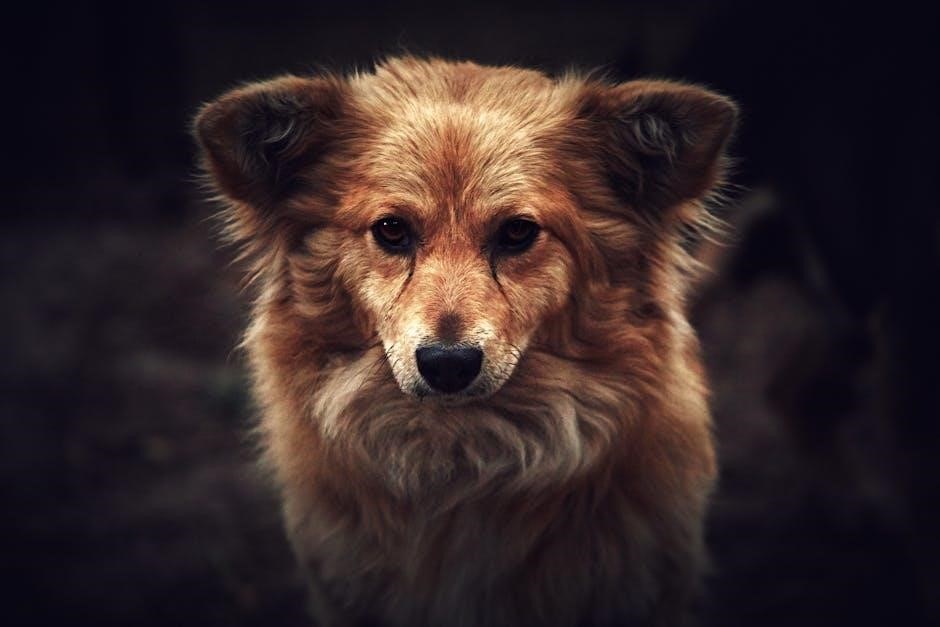
Selecting the right fabric is paramount when sewing dog clothes from free PDF patterns․ Comfort and durability are key! Fleece is a popular choice – soft, warm, and relatively easy to work with, especially for sweaters․ Cotton flannel offers breathability and is suitable for linings or lighter garments․
Denim and canvas provide excellent durability for coats and outerwear, protecting against the elements․ However, these can be heavier and less comfortable for some dogs․ Knit fabrics, like jersey, offer stretch and flexibility, ideal for snug-fitting clothes․ Avoid fabrics with embellishments that could be chewed off and ingested․
Consider your dog’s activity level and climate․ Waterproof or water-resistant fabrics are beneficial for rainy climates․ Always pre-wash fabrics to prevent shrinkage after sewing․ Prioritize breathable materials to prevent overheating․ Ultimately, choose fabrics that are gentle on your dog’s skin and can withstand regular wear and washing․
Beginner-Friendly Patterns: Simple Designs
Starting with simple designs is crucial when utilizing free dog clothes patterns, especially for novice sewers․ Look for patterns with minimal pieces and straight-line construction․ Basic t-shirts or tank tops are excellent first projects, requiring minimal cutting and sewing․ Simple bandanas are even easier, often involving just hemming edges․
Avoid patterns with complex closures like zippers or buttons initially․ Velcro is a beginner-friendly alternative․ Focus on patterns that utilize elastic for a comfortable and adjustable fit․ Many free patterns offer clear, step-by-step instructions with diagrams, making the process more manageable․
Rectangular or square-shaped patterns are the easiest to cut and assemble․ Gradually increase complexity as your skills improve․ Remember to accurately measure your dog and choose the correct size pattern to ensure a good fit․ Don’t be afraid to practice on scrap fabric before cutting into your final material!
Easy Sew Dog Coat Pattern (PDF)
Numerous free PDF patterns online offer straightforward dog coat designs, perfect for providing warmth during colder months․ These typically involve a simple back panel, belly strap, and potentially a hood․ Look for patterns utilizing fleece or quilted fabric for insulation and water resistance․
Many beginner-friendly patterns feature Velcro closures for easy on and off․ The construction usually involves cutting the fabric pieces according to the pattern, sewing the back and belly pieces together, and attaching the straps․ Adding a simple collar or trim can enhance the coat’s appearance․
Before sewing, ensure accurate measurements of your dog’s back length, chest girth, and neck circumference․ Adjust the pattern accordingly for a comfortable fit․ Consider adding reflective tape for increased visibility during nighttime walks․ Several websites provide detailed tutorials and visual guides to assist with the sewing process, making it accessible even for beginners․
Basic Dog Sweater Pattern (PDF)
Finding a free PDF pattern for a basic dog sweater is remarkably easy, with many designs focusing on simple rectangular or tube-like constructions․ These patterns often utilize knit fabrics like fleece or sweater knit, offering stretch and comfort for your canine companion․ A common design involves cutting a piece of fabric to the appropriate length and width, then creating openings for the legs and head․
Many patterns suggest using ribbed cuffs for the leg and neck openings, providing a snug fit and preventing the sweater from slipping․ Sewing is typically straightforward, involving straight seams and minimal shaping․ Some patterns incorporate simple increases or decreases to create a more contoured fit around the chest․
Remember to accurately measure your dog’s chest, neck, and back length before cutting the fabric․ Adjust the pattern size as needed to ensure a comfortable and non-restrictive fit․ Consider adding a small opening for a leash attachment․ Numerous online tutorials provide step-by-step instructions and helpful visuals for beginner sewists․
No-Sew Fleece Dog Sweater Options
For those hesitant about sewing, no-sew fleece dog sweater options provide a fantastic alternative! Fleece’s inherent properties – its softness, warmth, and resistance to fraying – make it ideal for quick and easy projects․ The most popular method involves simply cutting and tying fleece pieces together․
Typically, you’ll cut a rectangular piece of fleece large enough to wrap around your dog’s chest and back․ Then, strategically placed slits are cut along the edges, allowing you to tie the fleece together, creating leg and neck openings․ Many tutorials demonstrate variations, including adding a belly strap for extra security․
Another technique utilizes fleece strips tied directly onto a base layer of fleece, forming a cozy, textured sweater․ These methods require minimal tools – primarily scissors – and are perfect for beginners or those seeking a fast project․ Remember accurate measurements are still crucial for a comfortable fit․ Online resources showcase numerous no-sew designs and detailed instructions, often with video demonstrations․
Intermediate Level Patterns: Adding Complexity
Stepping beyond basic designs, intermediate patterns introduce more challenging techniques and detailing․ These patterns often incorporate elements like sleeves, collars, button closures, and more intricate shaping for a refined fit․ Expect to encounter patterns requiring a bit more precision in cutting and sewing․
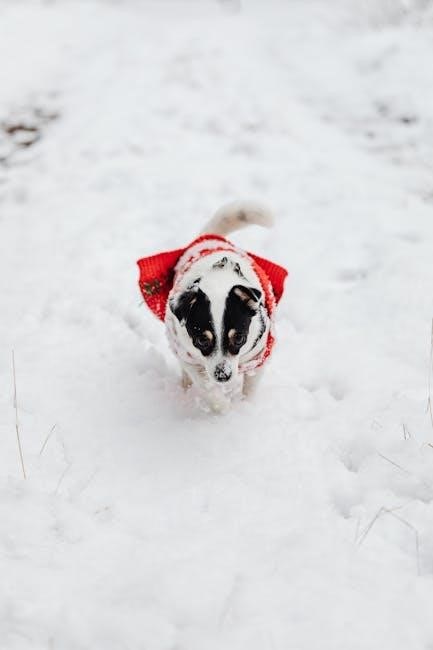
Common projects at this level include dog hoodies with functional drawstrings, quilted vests, and more elaborate dresses․ Understanding basic pattern adjustments becomes essential, as achieving a perfect fit often necessitates tweaking the pattern based on your dog’s unique proportions․ Working with linings and lightweight interfacing to add structure is also frequently involved․
Many free PDF patterns available online offer detailed instructions and diagrams to guide you through these complexities․ Look for patterns that clearly explain techniques like inserting zippers or creating buttonholes․ Don’t be afraid to practice new skills on scrap fabric before tackling the final project․ Patience and attention to detail are key to success at this level!
Dog Dress Pattern with Ruffles (PDF)
Transform your pup into a fashion icon with a charming dog dress featuring delightful ruffles! Numerous free PDF patterns cater to various skill levels, from beginner-friendly designs to more intricate creations․ These patterns typically involve constructing a bodice and skirt, with ruffles added along the hemline, neckline, or sleeves․
Look for patterns that provide clear instructions on creating and attaching ruffles – gathering fabric, creating casings, or using elastic to achieve the desired fullness․ Fabric choices significantly impact the dress’s appearance; lightweight cotton, voile, or even repurposed fabrics work beautifully․ Consider adding embellishments like ribbons, bows, or small buttons for a personalized touch․
Many patterns include sizing charts to ensure a comfortable fit․ Remember to accurately measure your dog’s chest, neck, and back length before cutting the fabric․ Don’t hesitate to adjust the pattern if needed․ A ruffled dog dress is a delightful project that combines creativity and practicality, resulting in a stunning outfit for your beloved companion!
Dog Pajama Pattern (PDF)
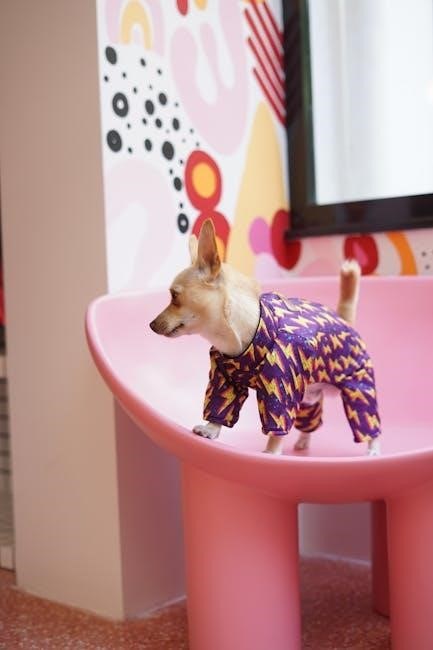
Ensure your furry friend enjoys cozy nights with a comfortable set of dog pajamas! Free PDF patterns abound online, offering designs ranging from simple slip-on styles to more elaborate sets with sleeves and closures․ These patterns generally involve creating a two-piece garment – a top and bottom – designed for ease of movement and warmth․
Flannel, fleece, and soft knit fabrics are excellent choices for dog pajamas, providing insulation and comfort․ Look for patterns that include elasticized waistbands and leg openings for a secure yet flexible fit․ Some patterns feature closures like Velcro or snaps for easier dressing․ Pay close attention to sizing charts, as a proper fit is crucial for your dog’s comfort․
Consider adding fun details like contrasting cuffs or playful prints to personalize the pajamas․ Remember to avoid any embellishments that could pose a choking hazard․ A well-fitting pair of dog pajamas is a thoughtful way to keep your canine companion warm and snug during colder months or simply provide a sense of security․
Advanced Patterns: Customization & Design
For experienced sewers, the world of dog clothing opens to limitless customization! Beyond basic patterns, explore advanced techniques to create truly unique garments․ This involves modifying existing free PDF patterns or even drafting your own based on precise dog measurements – a skill requiring pattern-making knowledge․
Consider incorporating design elements like collars, hoods, pockets, or intricate closures․ Experiment with different fabric combinations, such as pairing durable outerwear materials with soft linings for comfort․ Advanced patterns often include features like set-in sleeves, tailored fits, and complex shaping․ Don’t be afraid to add embellishments like embroidery or appliques, ensuring they are securely attached․
Mastering pattern alterations is key․ Adjusting for different body shapes, leg lengths, or chest sizes ensures a perfect fit․ Learning to create custom patterns allows you to design clothing that perfectly reflects your dog’s personality and needs, moving beyond readily available options and into truly bespoke creations․
Creating Custom Patterns Based on Your Dog’s Measurements
Taking accurate measurements is paramount when crafting custom dog clothes․ Begin with the back length – from the base of the neck to the base of the tail․ Measure the chest girth at its widest point, ensuring the tape measure is snug but not tight․ Neck circumference is also crucial, measured where a collar would naturally sit․
For a precise fit, consider leg length (for sweaters or coats) and head circumference (for hoodies or hats)․ Document these measurements carefully! Translating these numbers into a pattern requires understanding basic drafting principles․ Start with a simple block pattern – a basic shape representing the dog’s torso – and modify it based on your measurements․
Numerous online resources offer guidance on drafting dog clothing patterns․ Utilize graph paper or pattern-making software to create your design․ Remember to add seam allowances! A well-fitted garment requires careful attention to detail and iterative adjustments․ Don’t hesitate to create a muslin (test garment) from inexpensive fabric before cutting into your final material․
Pattern Alterations: Adjusting for Fit Issues
Even with careful measurements, initial fittings may reveal necessary alterations․ A common issue is length – if the garment is too long, shorten it evenly at the seams․ Conversely, adding length requires inserting fabric panels․ Chest girth adjustments are frequent; if too tight, add width to side seams․ For a looser fit, simply increase the seam allowance․
Neck adjustments are critical for comfort․ A collar that’s too tight can be dangerous․ Loosen the neck opening by adjusting the neckline seam․ If the garment twists or pulls, check for asymmetry in your pattern pieces and make corresponding corrections․ Remember to adjust both front and back pattern pieces symmetrically․
Sleeve or leg adjustments often involve tapering or widening․ Pin the altered pattern piece to the garment and test the fit before permanently sewing․ Small adjustments can make a significant difference․ Don’t be afraid to experiment and refine the pattern until you achieve a comfortable and flattering fit for your canine companion!
Resources for Learning Sewing Techniques
Embarking on dog clothes sewing requires foundational skills․ YouTube is a treasure trove, offering tutorials on basic stitches, seam finishes, and pattern reading․ Channels like Professor Pincushion and Made to Sew provide excellent visual guidance․ For more structured learning, consider Skillshare or CreativeLive, offering comprehensive sewing courses, often with free trials․
Online blogs dedicated to sewing, such as Mood Sewciety and Tilly and the Buttons, frequently feature beginner-friendly projects and detailed instructions․ Don’t underestimate the power of written tutorials with accompanying photos! Pinterest is a fantastic source for curated sewing tips and visual inspiration․
Local fabric stores often host sewing classes, providing hands-on experience and personalized guidance․ Libraries also offer access to sewing books and magazines․ Remember to practice new techniques on scrap fabric before applying them to your dog’s garment․ Building a solid skill set ensures a successful and enjoyable sewing experience!
Safety Considerations When Dressing Your Dog
Prioritize your dog’s comfort and well-being when using free dog clothes patterns․ Avoid garments that restrict movement, breathing, or vision․ Ensure clothing isn’t too tight, causing chafing or discomfort, and always supervise your dog while they’re wearing clothes․
Be mindful of temperature regulation․ Overheating is a serious risk, especially with sweaters or coats․ Choose breathable fabrics and avoid dressing your dog for extended periods in warm weather․ Watch for signs of overheating, like excessive panting or lethargy․
Avoid small embellishments like buttons or beads that could be chewed off and swallowed, posing a choking hazard․ Ensure any closures, like Velcro or snaps, are securely attached․ Regularly inspect garments for wear and tear; A properly fitted, safe outfit enhances your dog’s experience, while a poorly designed one can be detrimental to their health․ Always prioritize their safety above fashion!