Boil and bite mouthguards offer a convenient, affordable way to protect teeth during various activities. These guards become custom-fitted after being softened in hot water and molded to the user’s bite, providing a personalized shield.
They are a popular choice for athletes and individuals seeking protection without the expense of custom-made options, offering a balance between cost and effective impact absorption.
What is a Boil and Bite Mouthguard?
Boil and bite mouthguards represent a type of protective oral appliance designed for individuals participating in sports or activities where dental injuries are a concern. Unlike custom-made mouthguards created by a dentist, these are initially manufactured in a generic shape and require a simple, at-home molding process to achieve a personalized fit.
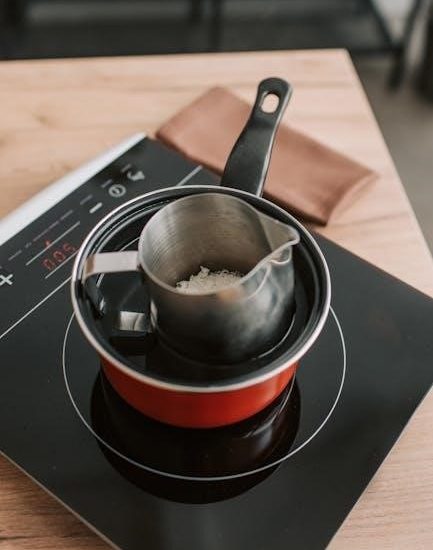
The core principle involves softening the thermoplastic material of the mouthguard by immersing it in hot water – hence the “boil” aspect. This increased flexibility allows the user to then bite down onto the softened guard, shaping it to the contours of their teeth and gums.
Once cooled, the mouthguard retains this customized form, providing a protective layer against impacts and reducing the risk of dental trauma. They are often constructed from layers of materials like Drufosoft, ensuring shock absorption and a secure fit.
Why Use a Boil and Bite Mouthguard?
Boil and bite mouthguards are a practical solution for safeguarding oral health during physical activity. They significantly reduce the risk of dental injuries, including chipped, fractured, or dislodged teeth, as well as cuts to the lips and gums. By absorbing and distributing impact forces, they minimize the potential for concussions and jaw joint injuries.
These mouthguards are particularly beneficial for athletes in contact sports like boxing, MMA, and football, but also offer protection in non-contact activities such as basketball and hockey where accidental collisions can occur.
Compared to stock mouthguards, the custom fit achieved through the boiling and biting process provides superior comfort and protection, ensuring a secure fit that stays in place during vigorous movement.

Understanding the Materials

Boil and bite mouthguards commonly utilize materials like EVA (ethylene-vinyl acetate) and Drufosoft laminates, prioritizing shock absorption and a secure, comfortable fit for optimal protection.
Common Materials Used in Boil and Bite Mouthguards
Boil and bite mouthguards predominantly feature Ethylene-Vinyl Acetate (EVA) as their core material. EVA is a thermoplastic copolymer known for its flexibility, durability, and excellent shock-absorbing properties – crucial for impact protection during sports and activities. Some higher-end options incorporate multi-layered constructions, like those from Dreve, utilizing Drufosoft laminates.
These laminates, often consisting of two or three Drufosoft films manufactured under high pressure (6 bar), guarantee optimal shock absorption and a consistently firm fit. The layering enhances the mouthguard’s ability to dissipate force, minimizing the risk of dental and jaw injuries. The quality of the lamination is paramount, ensuring long-lasting protection and a secure, comfortable experience for the wearer;
Material Safety and Considerations
Boil and bite mouthguards, typically made from EVA, are generally considered safe for oral use, however, certain considerations are vital. Ensure the mouthguard is BPA-free and phthalate-free to avoid exposure to potentially harmful chemicals. Always follow the manufacturer’s instructions precisely during the molding process to prevent material degradation or improper fit.
Individuals with allergies to plastics or latex should carefully review the material composition before use. Proper hygiene is crucial; regularly cleaning the mouthguard prevents bacterial growth. A well-fitted mouthguard, precisely adapted to the teeth and jaw, provides optimal protection, minimizing injury risk. Prioritize quality and reputable brands to ensure material safety and effectiveness.
Step-by-Step Boil and Bite Instructions
Achieving a secure fit requires careful execution of each step: preparation, heating, molding, and cooling. Following these instructions ensures optimal protection and comfort during use.
Step 1: Preparing the Mouthguard
Before beginning the molding process, thoroughly inspect your boil and bite mouthguard for any defects or damage. Ensure it’s clean; gently wash it with cool water and a mild soap, then rinse completely. This removes any debris that could interfere with the fitting process.
Next, it’s crucial to have a heat-safe container and access to boiling water. Prepare the water and have it readily available. Read the specific instructions included with your mouthguard, as heating times can vary between brands. Understanding these details beforehand will contribute to a successful and comfortable fit. Finally, have a clock or timer handy to accurately monitor the heating duration.
Step 2: Heating the Mouthguard
Carefully submerge the mouthguard into the boiling water for the time specified in the product instructions – typically between 30 to 60 seconds. Ensure the entire mouthguard is fully immersed to achieve uniform softening. Avoid prolonged exposure, as overheating can distort the shape and compromise the fit.
Use a slotted spoon or tongs to remove the mouthguard from the hot water. Be cautious, as it will be very hot! Gently shake off any excess water droplets. The mouthguard should now be pliable and moldable, ready for the next step. Work quickly, as it will begin to cool and re-harden relatively fast.
Step 3: Molding to Your Teeth
Place the softened mouthguard into your mouth and gently bite down, ensuring it covers all your upper teeth. Use your fingers to press the mouthguard firmly against your teeth and gums, molding it to the contours of your mouth. Focus on creating a secure fit around the molars and canines.
Suck in your cheeks to create a vacuum, helping the mouthguard conform to the shape of your mouth. Maintain the bite for the duration recommended by the manufacturer – usually around 30 seconds to a minute. Avoid talking or moving your jaw excessively during this process to ensure an accurate impression.
Step 4: Cooling and Setting the Fit
Remove the mouthguard from your mouth and immediately place it into a container of cool water. This stops the molding process and sets the custom fit. Allow the mouthguard to cool completely in the water for several minutes, ensuring it retains its new shape.
Once cooled, try the mouthguard again to check the fit. It should feel snug and secure without being overly tight or causing discomfort. If the fit isn’t satisfactory, you can repeat the heating and molding process once or twice, following the manufacturer’s instructions carefully. A well-fitted mouthguard is crucial for optimal protection.

Ensuring a Proper Fit
A secure fit is paramount for effective protection. The mouthguard should stay in place during activity, allowing comfortable breathing and clear speech without dislodging.
Checking for Comfort and Security
After molding, thoroughly assess the mouthguard’s fit. Gently bite down to ensure it conforms snugly to your upper teeth, without causing any immediate pressure or discomfort. Attempt to speak; the guard should allow reasonably clear speech, though some minor alteration is expected.
Crucially, try to dislodge the mouthguard with your tongue and jaw movements. It should remain securely in place. If it easily comes loose, remolding is necessary. Check for any sharp edges or areas that irritate your gums or cheeks; these require further softening and adjustment during a repeat molding process.
A well-fitted mouthguard is essential for protecting your teeth, gums, and jaw during sports. It should feel comfortable and secure, allowing you to breathe and communicate effectively.
Troubleshooting Fit Issues
If the mouthguard feels too bulky, reheat and remold, using less material initially. For a guard that’s too tight, briefly reheat and gently try to expand it while molding. If it doesn’t cover enough teeth, ensure you’re fully submerging it during the heating process and applying sufficient biting pressure during molding.
Persistent looseness indicates insufficient material or improper molding. Repeat the entire process, ensuring complete submersion and firm, even pressure. Sharp edges can be smoothed by briefly reheating the specific area and gently pressing it against a cool surface. Remember, multiple attempts may be needed to achieve a perfect fit.
Don’t force a fit; prioritize comfort and security.
Care and Maintenance
Regular cleaning with cool water and mild soap after each use is crucial. Store your boil and bite mouthguard in a ventilated case, away from heat and direct sunlight.
Cleaning Your Boil and Bite Mouthguard
Maintaining proper hygiene is paramount for your boil and bite mouthguard. After each use, thoroughly rinse the mouthguard with cool water to remove saliva and debris. Avoid using hot water, as it can distort the shape.
Employ a mild, non-abrasive soap or a specialized mouthguard cleaner and gently brush all surfaces with a soft-bristled toothbrush. Ensure all soap residue is completely rinsed away.
Regular disinfection is also recommended; soaking the mouthguard in a diluted mouthwash or a denture cleaning solution can help eliminate bacteria. Always follow the product instructions carefully.
Inspect the mouthguard regularly for any cracks or damage. A damaged mouthguard compromises its protective capabilities and should be replaced immediately. Proper cleaning extends the lifespan and effectiveness of your guard.
Storage Best Practices
Proper storage significantly impacts the longevity and hygiene of your boil and bite mouthguard. Always store your mouthguard in a well-ventilated, protective case when not in use. This prevents contamination and protects it from crushing or deformation.
Avoid leaving it exposed to direct sunlight or extreme temperatures, as these can alter its shape and fit. Do not store it with other dental appliances, as cross-contamination can occur.
Regularly clean the storage case itself to maintain a sanitary environment. Ensure the case is dry before storing the mouthguard to prevent mold or mildew growth.
Keeping your mouthguard stored correctly between uses ensures it remains clean, safe, and ready to provide optimal protection whenever you need it.

Potential Problems and Solutions
Common issues with boil and bite mouthguards include looseness or discomfort. Re-fitting may resolve these, or seeking a professional adjustment is advisable for optimal protection.
Mouthguard Feels Loose
If your boil and bite mouthguard feels loose, it indicates an insufficient mold to your teeth. The initial molding process might not have captured enough detail of your bite, resulting in a poor fit and reduced protection. Don’t continue using a loose mouthguard, as it won’t effectively absorb impact during activity.
To remedy this, repeat the boiling and molding process. Ensure the water is hot enough to soften the material completely, but not boiling vigorously. Press firmly and evenly when molding to your teeth, paying attention to the back molars for a secure hold. If repeated attempts fail, consider consulting a dentist or exploring custom-made options for a guaranteed, snug fit. A properly fitted mouthguard is crucial for safety.
Mouthguard Causes Discomfort
If your boil and bite mouthguard causes discomfort, several factors could be at play. Sharp edges or uneven molding can irritate gums and cheeks. The material might not have cooled properly, retaining a shape that doesn’t align with your mouth’s contours. Discomfort can also arise from excessive material interfering with speech or jaw movement.
To address this, carefully trim any sharp edges with clean, sharp scissors. Re-mold the mouthguard, focusing on smoothing out any uneven areas. Ensure adequate cooling time for a stable shape. If discomfort persists, it may indicate an ill-fitting guard; consider repeating the process or consulting a dental professional for a custom solution. Prioritize comfort for consistent use and protection.
When to Replace Your Mouthguard
Replace your boil and bite mouthguard if it shows signs of wear, cracks, or a loose fit. Regular inspection ensures continued protection and optimal performance during activity.
Signs of Wear and Tear
Identifying wear and tear is crucial for maintaining effective protection. Regularly inspect your boil and bite mouthguard for any changes in its structure or fit. Look closely for cracks, tears, or holes in the material, as these compromise its ability to absorb impact.
A distorted shape, where the mouthguard no longer conforms snugly to your teeth, is another key indicator. If it feels loose or easily dislodges during use, it’s time for a replacement. Changes in texture, such as becoming brittle or excessively soft, also suggest degradation.
Furthermore, persistent odors or discoloration, despite regular cleaning, can signify bacterial buildup and material breakdown. Don’t ignore these subtle signs; a compromised mouthguard offers diminished protection and could increase your risk of injury.
Lifespan of a Boil and Bite Mouthguard
The lifespan of a boil and bite mouthguard isn’t indefinite, and depends heavily on frequency of use and individual habits. Generally, these guards should be replaced every 3 to 6 months for athletes with regular, intense activity. Even with careful use, the material degrades over time, losing its protective qualities.
For occasional users, a replacement might be needed every 6 to 12 months. Consistent inspection for wear and tear, as previously discussed, is vital. Factors like storage conditions and cleaning practices also influence longevity.
Ignoring the recommended replacement schedule can lead to reduced protection and increased risk of dental injuries. Prioritize safety and replace your mouthguard proactively to ensure optimal performance.

Boil and Bite vs. Custom-Made Mouthguards
Boil and bite mouthguards are budget-friendly and convenient, but custom-made options offer superior fit and protection, precisely aligning with dental structures.
Comparing Protection Levels
While boil and bite mouthguards provide a significant level of protection against dental injuries, particularly in contact sports, they generally don’t match the safeguarding capabilities of custom-made mouthguards. Custom guards, created from dental impressions, offer a precise fit that maximizes shock absorption and minimizes the risk of concussions.
Boil and bite options rely on the user’s ability to accurately mold the material to their teeth, which can sometimes result in an imperfect fit. This imperfect fit can compromise protection during high-impact collisions. Custom mouthguards distribute force more evenly across the jaw, reducing the likelihood of fractures or soft tissue damage. They also offer better retention, staying securely in place during activity.
A well-fitted mouthguard, whether boil and bite or custom, is essential for protecting teeth, gums, and jaw.
Cost Considerations
Boil and bite mouthguards represent the most economical option for dental protection, typically ranging from $5 to $30, making them accessible to a wide range of users. This affordability is a major draw for individuals and families seeking a cost-effective solution for sports or teeth grinding.
In contrast, custom-made mouthguards, fabricated by a dentist, can cost anywhere from $150 to $400 or even more, depending on the materials and laboratory fees. While the initial investment is significantly higher, the superior fit, comfort, and protection offered by custom guards may justify the expense for serious athletes or those with specific dental concerns.
Considering long-term dental health, the cost of a custom guard could potentially be offset by preventing costly dental work resulting from injuries.

Sports and Activities Where Mouthguards are Crucial
Mouthguards are vital in high-impact contact sports like boxing, MMA, and football, but also beneficial in non-contact activities such as basketball and hockey.
Contact Sports (Boxing, MMA, Football)
In contact sports, the risk of dental injuries, concussions, and jaw fractures is significantly elevated. A properly fitted mouthguard acts as a crucial shock absorber, distributing the force of impacts and minimizing damage.
Boxing and Mixed Martial Arts (MMA) involve direct blows to the head and mouth, making a mouthguard absolutely essential. Football players are also susceptible to collisions that can cause severe dental trauma. A well-fitted mouthguard, whether boil and bite or custom-made, protects teeth from chipping, fracturing, or being knocked out.
Furthermore, mouthguards help to reduce the risk of concussion by cushioning the jaw and minimizing the transmission of impact forces to the brain. They also protect soft tissues like the gums and lips from lacerations.
Non-Contact Sports (Basketball, Hockey)
Even in non-contact sports like basketball and hockey, dental injuries can occur due to accidental collisions, falls, or contact with equipment. While the risk may be lower than in contact sports, the potential for damage remains significant.
Basketball players can experience dental trauma from elbows, stray balls, or falls. Hockey, despite rules against intentional contact, often involves incidental collisions with sticks, pucks, or other players. A mouthguard provides a vital layer of protection in these scenarios.
Protecting teeth isn’t just about aesthetics; it’s about long-term oral health. Preventing dental injuries can save on costly restorative treatments. A boil and bite mouthguard offers a cost-effective solution for athletes in these sports.