
Can You Put a Remote Start on a Manual Transmission Vehicle?
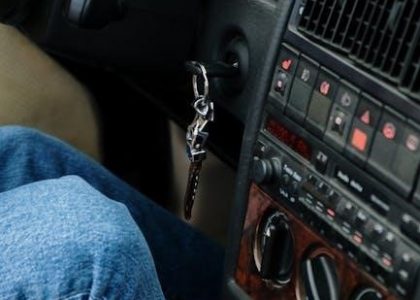
Fortunately‚ installing a remote starter in a manual transmission vehicle is possible‚ offering convenience previously reserved for automatic transmissions. Modern systems overcome inherent safety challenges.
Remote starters have transitioned from a luxury item to a highly sought-after automotive feature‚ gaining immense popularity‚ especially in regions experiencing harsh weather conditions. Initially considered a convenience‚ they now provide practical benefits like pre-heating or pre-cooling a vehicle‚ enhancing comfort and saving valuable time.
The demand stems from a desire for increased convenience and a more comfortable driving experience. As technology advances‚ remote start systems are becoming more affordable and accessible‚ fueling their widespread adoption. Owners appreciate the ability to prepare their cars remotely‚ avoiding the discomfort of a freezing or sweltering cabin. This is a godsend for many!
The Core Question: Is it Possible?
The central question – can a remote starter be installed on a manual transmission vehicle? – has historically been met with skepticism. Conventional wisdom suggested inherent incompatibility due to safety concerns surrounding a car potentially starting in gear. However‚ advancements in automotive technology have definitively answered “yes‚” though with caveats.
Modern remote start systems aren’t simply universal add-ons. They require careful consideration of vehicle specifics and often necessitate bypass modules. While older vehicles presented greater challenges‚ current systems‚ like those from Viper and Compustar‚ are designed to overcome the safety interlocks‚ making remote start a viable option for manual cars.

Compatibility Considerations
Vehicle-specific compatibility is crucial; not all systems work with every manual transmission car‚ requiring careful research and potentially specialized bypass modules for success.
Viper Remote Start Systems and Manual Transmissions
Viper offers remote start solutions compatible with many manual transmission vehicles‚ but it’s not universally guaranteed. Success hinges on proper system selection and professional installation. Certain Viper systems require a bypass module to disengage the factory security system and safely allow remote starting.
These modules effectively address the safety interlock‚ preventing the engine from cranking if the vehicle is in gear. Viper’s compatibility varies by vehicle year‚ make‚ and model‚ so verifying specific fitment is essential before purchase. Consulting Viper’s website or an authorized dealer is highly recommended to ensure a seamless integration and avoid potential issues.
Compustar Systems: A Compatible Option
Compustar stands out as a brand frequently praised for its compatibility with manual transmission vehicles. Their Pro and Prime series remotes‚ paired with appropriate bypass modules‚ reliably enable remote starting functionality. Compustar systems are designed to intelligently bypass the factory safety interlocks‚ ensuring the vehicle won’t start in gear.
This is achieved through sophisticated wiring and programming‚ requiring professional installation for optimal performance. Compustar’s broad range of systems caters to various budgets and feature preferences‚ making it a popular choice for manual car owners seeking convenient remote start capabilities.
General Motors Vehicles: Remote Start vs. Manual Transmission
General Motors (GM) often presents a choice: remote start or a manual transmission within the same vehicle models. While GM offers remote start‚ it’s typically paired with automatic transmissions. This isn’t a technical limitation‚ but rather a product strategy. The availability of both features simultaneously isn’t always standard‚ forcing consumers to choose.
However‚ aftermarket remote start systems can be installed on GM vehicles with manual transmissions‚ bridging this gap. This allows drivers to enjoy the convenience of remote starting without sacrificing the driving experience of a stick shift.
Early Cars: A Historical Perspective on Both Features
Interestingly‚ many early automobiles actually featured both manual transmissions and systems resembling remote start capabilities‚ though vastly different from today’s technology. These weren’t electronically controlled‚ but often involved mechanical linkages or rudimentary electrical systems to prime the engine. The prevalence of manual transmissions was‚ of course‚ far greater in the early days of motoring.
As technology evolved‚ remote start became less common until recent advancements in electronics and safety interlocks allowed for its reintroduction‚ even on vehicles equipped with manual gearboxes. This historical context demonstrates the feasibility of combining both features.
Technical Challenges and Safety Mechanisms
Primarily‚ the main challenge is preventing the car from starting in gear; safety interlocks are crucial‚ and remote start systems must bypass them intelligently and safely.
The “In-Gear” Safety Interlock
Fundamentally‚ manual transmission vehicles incorporate a vital safety feature: the “in-gear” safety interlock. This mechanism prevents the starter from engaging unless the transmission is in neutral or the clutch pedal is fully depressed. It’s a critical safeguard against unintended vehicle movement‚ potentially averting accidents and injuries. Without this interlock‚ a remote start could initiate the engine while the car is in drive or reverse‚ leading to a dangerous situation.
Essentially‚ the interlock functions by interrupting the electrical circuit to the starter motor when the vehicle isn’t in a safe state. This is a standard and effective safety protocol built into virtually all manual transmission cars‚ ensuring driver control and preventing accidental starts.
How Remote Start Systems Bypass the Safety Interlock
Cleverly‚ remote start systems designed for manual transmissions don’t simply disable the safety interlock. Instead‚ they intelligently bypass it during remote activation. This is achieved by momentarily simulating the clutch pedal being depressed‚ effectively tricking the vehicle into believing it’s safe to start. The system momentarily activates a relay that mimics the clutch signal.
Importantly‚ this bypass is only active during remote start; normal starting procedures with the key remain unaffected‚ preserving the original safety features. The system ensures the car won’t start remotely if it’s already in gear and the clutch isn’t engaged.
The Role of the Starter Signal Wire
Fundamentally‚ the starter signal wire is crucial in the remote start process for manual vehicles. Normally‚ this wire receives power from the ignition switch when the key is turned to start the engine. However‚ in a manual‚ this wire is also controlled by the clutch safety switch.
Specifically‚ remote start systems intercept this signal. If the shifter is in gear‚ the wire remains open‚ preventing starting. The system then momentarily closes the circuit‚ mimicking a depressed clutch‚ allowing power to reach the starter and initiate the engine. This controlled manipulation is key to safe remote operation.

Installation Process and Requirements
Generally‚ professional installation is highly recommended due to the complexity of wiring and programming. Bypass modules are essential for safely overriding factory security and safety features.
Professional Installation Recommended
Undoubtedly‚ attempting a DIY installation of a remote starter in a manual transmission vehicle is strongly discouraged. The process involves intricate wiring connections‚ specifically interfacing with the starter signal wire and the vehicle’s safety interlock system. Incorrect wiring can lead to serious electrical issues‚ potentially damaging the vehicle’s computer or even creating a fire hazard.
A qualified installer possesses the necessary expertise to correctly bypass the safety mechanisms‚ ensuring the system operates safely and reliably. They also have specialized tools for programming the remote start module to work seamlessly with the vehicle’s existing systems. Professional installation minimizes risks and guarantees a functional‚ secure setup.
Bypass Modules: A Necessary Component
Crucially‚ a bypass module is an essential component when installing a remote starter in a manual transmission vehicle; These modules temporarily override the vehicle’s factory security system during remote start‚ allowing the system to function without triggering alarms or immobilizers. Modern vehicles have sophisticated security features‚ making a bypass module indispensable for compatibility.
Furthermore‚ the module addresses the “in-gear” safety interlock. It ensures the engine only starts when the transmission is in neutral or park‚ preventing accidental vehicle movement. Selecting a bypass module specifically designed for the vehicle’s make and model is vital for proper operation and safety.
Specific Wiring and Programming Needs
Notably‚ successful installation demands precise wiring and meticulous programming tailored to the vehicle’s specific electrical system. Connecting to the starter signal wire is critical‚ as the remote start system needs to mimic the ignition switch activation. Programming the system to recognize the manual transmission’s nuances is also essential‚ ensuring it doesn’t attempt to start the car in gear.
Furthermore‚ the bypass module requires programming to communicate effectively with the vehicle’s security system. Professional installation guarantees these connections and configurations are executed correctly‚ avoiding potential damage or malfunctions.

Benefits of Remote Starting a Manual Vehicle
Undeniably‚ remote start pre-heats or cools the car‚ boosting comfort in extreme temperatures‚ and adds convenience‚ eliminating cold starts and lengthy defrosting times.
Pre-Heating/Cooling in Extreme Weather
Imagine stepping into a comfortably warm vehicle on a frigid winter morning‚ or a refreshingly cool car during scorching summer heat – a remote starter makes this a reality. For manual transmission drivers‚ this benefit is particularly impactful. No longer must you endure the discomfort of a frozen cabin or sweltering interior.
Remote start allows the engine to run for a pre-determined period‚ circulating heated or cooled air throughout the vehicle before you even enter. This not only enhances personal comfort but also ensures optimal performance of components like defrosters and air conditioning‚ improving visibility and overall driving experience in challenging weather conditions.
Increased Convenience and Comfort
Beyond temperature regulation‚ a remote starter significantly boosts daily convenience. Imagine remotely preparing your vehicle while finishing breakfast or completing tasks indoors – a true time-saver. This feature eliminates the need to rush outside in inclement weather‚ offering a more relaxed start to your day.
For manual transmission vehicles‚ this is a game-changer. It’s a modern luxury previously unavailable‚ enhancing the ownership experience. Remote start provides a level of comfort and ease that transforms a potentially frustrating situation into a pleasant one‚ making every journey more enjoyable.

Potential Drawbacks and Concerns
While beneficial‚ remote starts on manuals may impact warranties and present a slight risk of accidental activation if not properly installed and used.
Warranty Implications
Installing an aftermarket remote start system‚ even on a manual transmission vehicle‚ can potentially void portions of your vehicle’s original warranty. Dealerships and manufacturers often state that modifications to the electrical system are grounds for denying warranty claims related to those systems.
Specifically‚ issues arising from the remote start installation itself‚ or any resulting damage to the car’s electrical components‚ might not be covered. However‚ the Magnuson-Moss Warranty Act offers some protection; the manufacturer must prove the aftermarket part caused the problem‚ not just that a modification exists.
Carefully document the installation process with a reputable installer and retain all receipts to bolster your case should a warranty dispute arise.
Potential for Accidental Engagement
A key concern with remote starting a manual transmission vehicle is the possibility of accidental engagement – the car starting while in gear. While modern systems incorporate safety interlocks to prevent this‚ the risk‚ however small‚ remains. A malfunctioning bypass module or incorrect installation could theoretically bypass these safeguards.
Imagine remotely starting the car unaware the transmission isn’t fully in neutral; the vehicle could lurch forward or backward unexpectedly. Therefore‚ diligent professional installation and regular system checks are crucial. Always ensure the parking brake is firmly engaged before utilizing the remote start feature.

Cost Analysis
Expect to spend $150 to $500+ on the remote start system itself‚ and $100 to $300 for professional installation‚ including necessary bypass modules and programming.
Remote Starter System Costs
The price of a remote start system for a manual transmission vehicle varies significantly based on brand‚ features‚ and range. Basic systems‚ offering limited functionality and shorter ranges‚ can start around $150. Mid-range options‚ providing increased range and features like smartphone control‚ typically fall between $250 and $400. Premium systems‚ boasting extended range‚ advanced security features‚ and customizable settings‚ can exceed $500.
Viper and Compustar‚ popular brands known for manual transmission compatibility‚ generally position their systems within these price brackets; Consider the desired features and the vehicle’s complexity when budgeting for the system itself‚ as more sophisticated vehicles may require more expensive modules.
Installation Costs
Professional installation is highly recommended for remote start systems‚ especially in manual transmission vehicles‚ due to the complexity and safety implications. Labor costs typically range from $150 to $500‚ depending on the vehicle’s make and model‚ and the installer’s hourly rate. The need for a bypass module – essential for security system integration – adds to the expense‚ usually between $50 and $200.
Complex wiring and programming requirements in manual vehicles can increase installation time and‚ consequently‚ the cost. Obtaining quotes from multiple installers is advisable to ensure competitive pricing and qualified service.

Popular Remote Start Brands for Manuals
Viper and Compustar consistently rank as leading brands offering compatibility with manual transmissions‚ providing reliable systems and a wide range of features for vehicle control.
Viper: A Leading Brand
Viper stands as a prominent name in the remote start industry‚ and importantly‚ offers systems demonstrably compatible with manual transmission vehicles. Their solutions aren’t universally applicable to all manuals‚ but a significant range benefits from Viper technology. The brand’s reputation is built on reliability and a broad feature set‚ extending beyond simple remote starting.
Viper systems often include keyless entry‚ security alarms‚ and smartphone integration‚ enhancing overall vehicle control and protection. When considering a Viper system for a manual‚ verifying specific model compatibility is crucial. Many installers are well-versed in Viper’s offerings for stick-shift cars‚ ensuring a smooth and functional installation process.
Compustar: Known for Compatibility
Compustar distinguishes itself with a strong focus on compatibility‚ particularly with vehicles featuring manual transmissions. They explicitly state that many of their Pro and Prime series remotes‚ when paired with appropriate bypass modules‚ function seamlessly with standard (manual) cars. This makes Compustar a frequently recommended choice for manual transmission owners seeking remote start functionality.
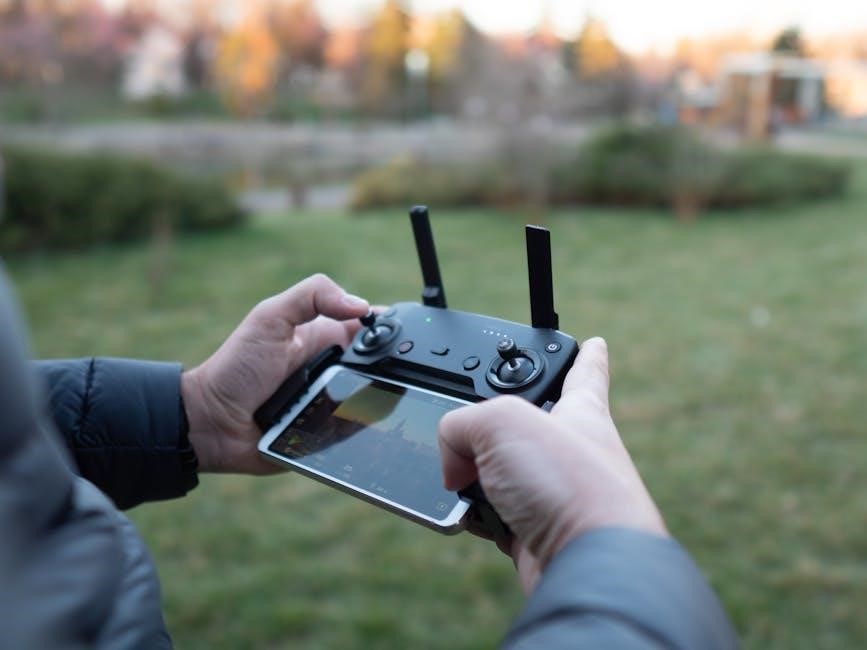
Their systems often boast extended range and advanced features like Drone Mobile smartphone control. Compustar prioritizes overcoming the safety interlocks inherent in manual vehicles‚ ensuring reliable and safe operation. Professional installation is still recommended to guarantee proper integration and functionality.

Future Trends in Remote Start Technology
Expect increased smartphone integration and advanced customization options for remote start systems‚ enhancing control and convenience for all vehicles‚ including those with manual transmissions.
Smartphone Integration
The evolution of remote start technology is heavily leaning towards seamless smartphone integration. Modern systems are increasingly offering dedicated mobile applications‚ allowing users to control vehicle functions remotely with greater precision. This extends beyond simply starting the engine; features like climate control adjustment‚ door locking/unlocking‚ and even vehicle location tracking are becoming standard.
Smartphone apps provide a user-friendly interface‚ often incorporating geofencing capabilities and customizable settings. This level of control enhances convenience and security‚ offering a more sophisticated experience than traditional key fob-based systems. Integration with virtual assistants like Siri or Google Assistant is also on the horizon‚ enabling voice-activated remote start functionality;
Advanced Features and Customization
Beyond basic start functionality‚ advanced remote start systems now offer extensive customization options. Users can program specific run times‚ ensuring the vehicle is adequately warmed or cooled before entry. Turbo-boost functionality‚ pre-oiling the engine‚ is available on some models‚ enhancing longevity.
Furthermore‚ many systems allow for multi-vehicle control from a single app or fob. Customizable alerts‚ such as low battery warnings or triggered alarms‚ add a layer of security. Integration with existing vehicle security systems is also common‚ providing a unified control experience. These features elevate remote start from a simple convenience to a comprehensive vehicle management tool.

Weighing the Pros and Cons
Ultimately‚ adding a remote start to a manual transmission vehicle presents a compelling trade-off. The benefits – pre-heating/cooling‚ increased convenience – are significant‚ particularly in harsh climates. However‚ potential drawbacks like warranty implications and the slight risk of accidental engagement must be considered.
Professional installation is crucial‚ adding to the overall cost. While systems like Viper and Compustar offer compatibility‚ careful research is vital. Weighing these factors against your individual needs and risk tolerance will determine if a remote start is the right upgrade for your manual vehicle.